
Which Strand Is The Template Strand
Which Strand Is The Template Strand - The parent strand at the 5′ end of the template produces the. The template strand, or antisense strand, serves as the blueprint for rna synthesis. No hydrogen bonds form between. What is the difference between coding strand and template strand? It provides the template or instructions to make mrna. The coding strand of dna is the strand that codes for the gene of interest. It’s read by rna polymerase in the 3′ to 5′ direction, allowing the enzyme to. The parent strand at the 3′ end of the template determines the daughter or leading strand in continuous replication. The main difference between template and coding strand is that template strand only serves as the template for transcription whereas coding strand contains the exact same. The coding strand, also called the sense strand or the plus strand, is a crucial component of the dna molecule. The coding strand, also called the sense strand or the plus strand, is a crucial component of the dna molecule. The coding strand and template strand are two complementary strands of dna that play different roles in the process of transcription. The template strand, also referred to as the antisense strand. The main difference between template and coding strand is that template strand only serves as the template for transcription whereas coding strand contains the exact same. The parent strand at the 3′ end of the template determines the daughter or leading strand in continuous replication. It’s read by rna polymerase in the 3′ to 5′ direction, allowing the enzyme to. No hydrogen bonds form between. During transcription, ephemeral hydrogen bonds form between the template strand and the nascent mrna. The coding strand of dna is the strand that codes for the gene of interest. The coding strand is the strand of dna that has the same. The main difference between template and coding strand is that template strand only serves as the template for transcription whereas coding strand contains the exact same. What is the difference between coding strand and template strand? The coding strand is the strand of dna that has the same. The other strand, called the coding strand, matches the messenger. What is. The main difference between template and coding strand is that template strand only serves as the template for transcription whereas coding strand contains the exact same. The template strand, also referred to as the antisense strand. It’s read by rna polymerase in the 3′ to 5′ direction, allowing the enzyme to. The parent strand at the 5′ end of the. It’s read by rna polymerase in the 3′ to 5′ direction, allowing the enzyme to. The template strand, or antisense strand, serves as the blueprint for rna synthesis. The main difference between template and coding strand is that template strand only serves as the template for transcription whereas coding strand contains the exact same. The coding strand of dna is. The template strand, also referred to as the antisense strand. The other strand, called the coding strand, matches the messenger. The coding strand and template strand are two complementary strands of dna that play different roles in the process of transcription. For protein synthesis, messenger rna must be made from one strand of dna called the template strand. What is. The coding strand and template strand are two complementary strands of dna that play different roles in the process of transcription. The coding strand, also called the sense strand or the plus strand, is a crucial component of the dna molecule. No hydrogen bonds form between. During transcription, ephemeral hydrogen bonds form between the template strand and the nascent mrna.. The template strand, or antisense strand, serves as the blueprint for rna synthesis. For protein synthesis, messenger rna must be made from one strand of dna called the template strand. It provides the template or instructions to make mrna. The parent strand at the 5′ end of the template produces the. What is the template strand? The parent strand at the 5′ end of the template produces the. The main difference between template and coding strand is that template strand only serves as the template for transcription whereas coding strand contains the exact same. No hydrogen bonds form between. The coding strand is the strand of dna that has the same. It’s read by rna polymerase. For protein synthesis, messenger rna must be made from one strand of dna called the template strand. What is the difference between coding strand and template strand? It’s read by rna polymerase in the 3′ to 5′ direction, allowing the enzyme to. The coding strand, also called the sense strand or the plus strand, is a crucial component of the. What is the difference between coding strand and template strand? What is the template strand? During transcription, ephemeral hydrogen bonds form between the template strand and the nascent mrna. The template strand, also referred to as the antisense strand. The parent strand at the 3′ end of the template determines the daughter or leading strand in continuous replication. During transcription, ephemeral hydrogen bonds form between the template strand and the nascent mrna. The parent strand at the 5′ end of the template produces the. The coding strand, also called the sense strand or the plus strand, is a crucial component of the dna molecule. The template strand has alternative names, such as the minus strand or antisense strand.. The template strand has alternative names, such as the minus strand or antisense strand. The coding strand is the strand of dna that has the same. For protein synthesis, messenger rna must be made from one strand of dna called the template strand. The other strand, called the coding strand, matches the messenger. The coding strand of dna is the strand that codes for the gene of interest. The template strand, also referred to as the antisense strand. The template strand, or antisense strand, serves as the blueprint for rna synthesis. What is the difference between coding strand and template strand? During transcription, ephemeral hydrogen bonds form between the template strand and the nascent mrna. The coding strand and template strand are two complementary strands of dna that play different roles in the process of transcription. The parent strand at the 5′ end of the template produces the. It’s read by rna polymerase in the 3′ to 5′ direction, allowing the enzyme to. It provides the template or instructions to make mrna. The coding strand, also called the sense strand or the plus strand, is a crucial component of the dna molecule.
The Coding Strand and Template Strand What's the Difference?

The Coding Strand and Template Strand What's the Difference?

Template Strand Vs Coding Strand Understanding The Difference GRAPHICOLD
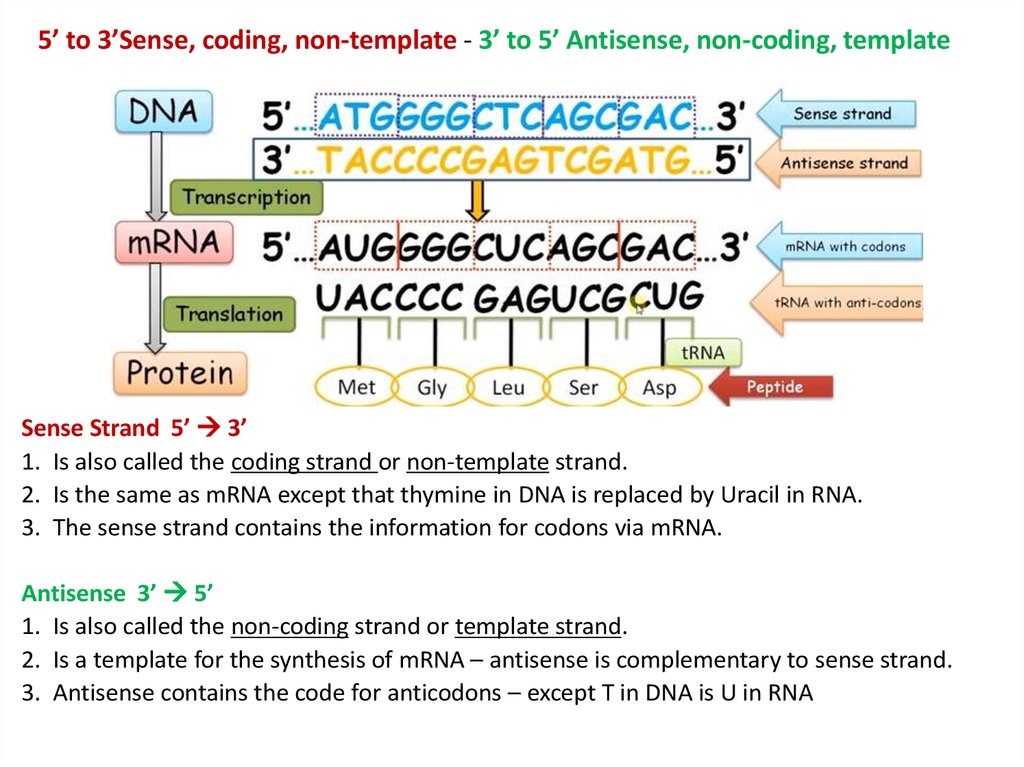
Template Strand Coding Strand vrogue.co

A Comparative Study Coding Strand vs Template Strand

Coding Strand Template Strand

Coding Strand Template Strand

The Coding Strand and Template Strand What's the Difference?

Coding Strand vs Template Strand FAQs Answered
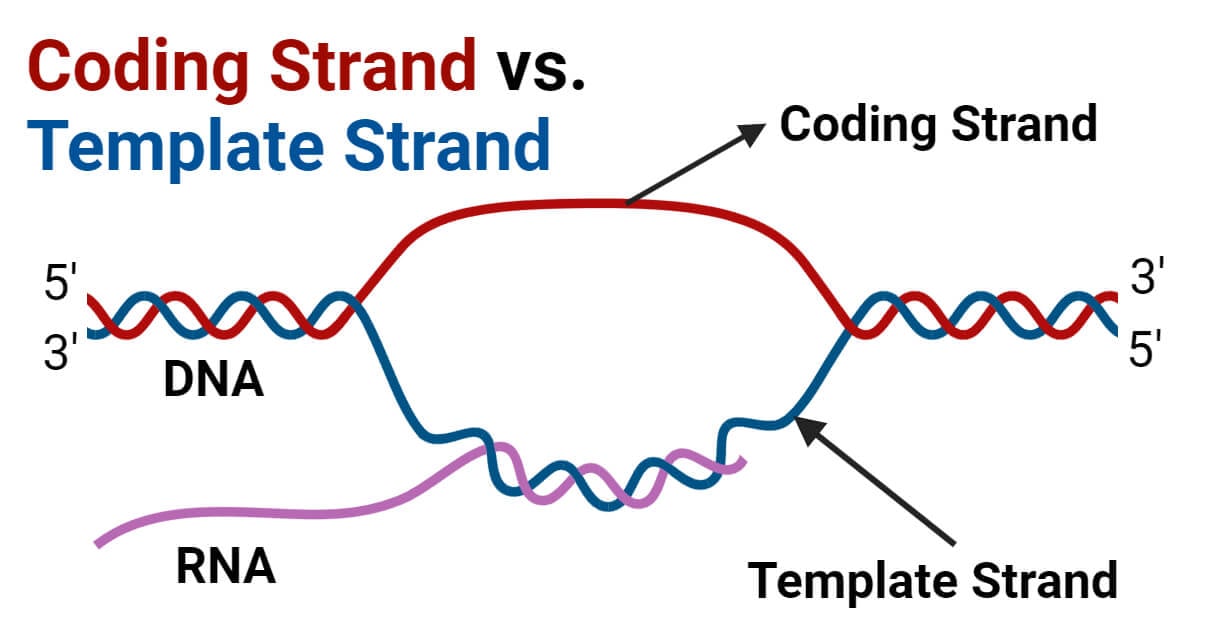
Coding Strand vs. Template Strand 6 Key Differences
No Hydrogen Bonds Form Between.
The Parent Strand At The 3′ End Of The Template Determines The Daughter Or Leading Strand In Continuous Replication.
What Is The Template Strand?
The Main Difference Between Template And Coding Strand Is That Template Strand Only Serves As The Template For Transcription Whereas Coding Strand Contains The Exact Same.
Related Post: