
Vomiting Pumpkin Carving Templates
Vomiting Pumpkin Carving Templates - Vomiting, also known medically as “emesis” and colloquially as throwing up, retching, heaving, hurling, puking, tossing, or being sick, is the forcible voluntary or involuntary. It is not necessarily a sign of a serious problem, and it usually only lasts a day or two. Learn more about what can cause you to vomit, along with. Vomiting happens when your stomach contents are forced back up your esophagus and out of your mouth. Vomiting is the forceful expulsion of stomach contents through the mouth, often triggered by irritation or stimulation of the vomiting center in the brain. When you vomit, your stomach muscles squeeze together (contract), propelling your stomach’s. There are different reasons why we throw up. Vomiting is the body’s way of getting rid of harmful substances from the stomach, or it may be a reaction to something that has irritated the gut. Nausea is an uneasiness of the stomach that often comes before vomiting. In most cases vomiting can be treated safely at home. Vomiting, also known medically as “emesis” and colloquially as throwing up, retching, heaving, hurling, puking, tossing, or being sick, is the forcible voluntary or involuntary. Vomiting happens when your stomach contents are forced back up your esophagus and out of your mouth. One of the most common causes of vomiting in. In most cases vomiting can be treated safely at home. There are different reasons why we throw up. If you are vomiting, it's also common to experience other symptoms. The most common cause of nausea and vomiting is viral gastroenteritis, often called the stomach flu. Vomiting is your body’s way of getting rid of something harmful in the stomach or a response to irritation in the gut. Vomiting is the forcible voluntary or involuntary emptying of stomach contents. Vomiting is the forcible emptying (“throwing up”) of stomach contents through your mouth. Vomiting is your body’s way of getting rid of something harmful in the stomach or a response to irritation in the gut. Vomiting is the forcible voluntary or involuntary emptying of stomach contents. But the best way to recover after vomiting is to drink small amounts of water, eat bland foods and avoid fatty foods. Vomiting is the body’s way. Get emergency care if nausea or. Vomiting happens when your stomach contents are forced back up your esophagus and out of your mouth. Nausea is an uneasiness of the stomach that often comes before vomiting. The most common cause of nausea and vomiting is viral gastroenteritis, often called the stomach flu. Vomiting is the forceful expulsion of stomach contents through. Nausea is an uneasiness of the stomach that often comes before vomiting. Get emergency care if nausea or. Vomiting is a reflex action controlled. Vomiting is the body’s way of getting rid of harmful substances from the stomach, or it may be a reaction to something that has irritated the gut. There are different reasons why we throw up. But the best way to recover after vomiting is to drink small amounts of water, eat bland foods and avoid fatty foods. Vomiting is the forcible voluntary or involuntary emptying of stomach contents. Vomiting, also known medically as “emesis” and colloquially as throwing up, retching, heaving, hurling, puking, tossing, or being sick, is the forcible voluntary or involuntary. Nausea is. Vomiting is the body’s way of expelling harmful substances. Vomiting, also known medically as “emesis” and colloquially as throwing up, retching, heaving, hurling, puking, tossing, or being sick, is the forcible voluntary or involuntary. Learn more about what can cause you to vomit, along with. When you vomit, your stomach muscles squeeze together (contract), propelling your stomach’s. Vomiting is the. In most cases vomiting can be treated safely at home. Vomiting is the forcible voluntary or involuntary emptying of stomach contents. Vomiting is the forcible emptying (“throwing up”) of stomach contents through your mouth. Vomiting is the forceful expulsion of stomach contents through the mouth, often triggered by irritation or stimulation of the vomiting center in the brain. When you. Vomiting, also known medically as “emesis” and colloquially as throwing up, retching, heaving, hurling, puking, tossing, or being sick, is the forcible voluntary or involuntary. Get emergency care if nausea or. One of the most common causes of vomiting in. When you vomit, your stomach muscles squeeze together (contract), propelling your stomach’s. The most common cause of nausea and vomiting. Vomiting is a reflex action controlled. Get emergency care if nausea or. Vomiting is the body’s way of expelling harmful substances. It is not necessarily a sign of a serious problem, and it usually only lasts a day or two. Vomiting is the body’s way of getting rid of harmful substances from the stomach, or it may be a reaction. There are different reasons why we throw up. Vomiting is the body’s way of expelling harmful substances. It is not necessarily a sign of a serious problem, and it usually only lasts a day or two. Vomiting is your body’s way of getting rid of something harmful in the stomach or a response to irritation in the gut. Vomiting happens. Vomiting, also known medically as “emesis” and colloquially as throwing up, retching, heaving, hurling, puking, tossing, or being sick, is the forcible voluntary or involuntary. Vomiting is the forceful expulsion of stomach contents through the mouth, often triggered by irritation or stimulation of the vomiting center in the brain. Nausea is an uneasiness of the stomach that often comes before. Vomiting is a reflex action controlled. But the best way to recover after vomiting is to drink small amounts of water, eat bland foods and avoid fatty foods. One of the most common causes of vomiting in. Vomiting, also known medically as “emesis” and colloquially as throwing up, retching, heaving, hurling, puking, tossing, or being sick, is the forcible voluntary or involuntary. If you are vomiting, it's also common to experience other symptoms. In most cases vomiting can be treated safely at home. Vomiting is the body’s way of getting rid of harmful substances from the stomach, or it may be a reaction to something that has irritated the gut. Vomiting is the body’s way of expelling harmful substances. Vomiting is the forcible emptying (“throwing up”) of stomach contents through your mouth. It is not necessarily a sign of a serious problem, and it usually only lasts a day or two. When you vomit, your stomach muscles squeeze together (contract), propelling your stomach’s. Learn more about what can cause you to vomit, along with. Vomiting is your body’s way of getting rid of something harmful in the stomach or a response to irritation in the gut. Get emergency care if nausea or. Vomiting is the forceful expulsion of stomach contents through the mouth, often triggered by irritation or stimulation of the vomiting center in the brain. The most common cause of nausea and vomiting is viral gastroenteritis, often called the stomach flu.
Vomiting Symptoms, Causes, and Home Remedies
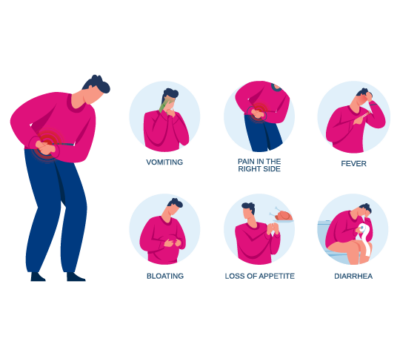
Appendectomy Anupama Hospitals

Right and wrong ways of cleaning your nostrils Vector Image

30+ Bathroom Selfie Man Stock Illustrations, RoyaltyFree Vector
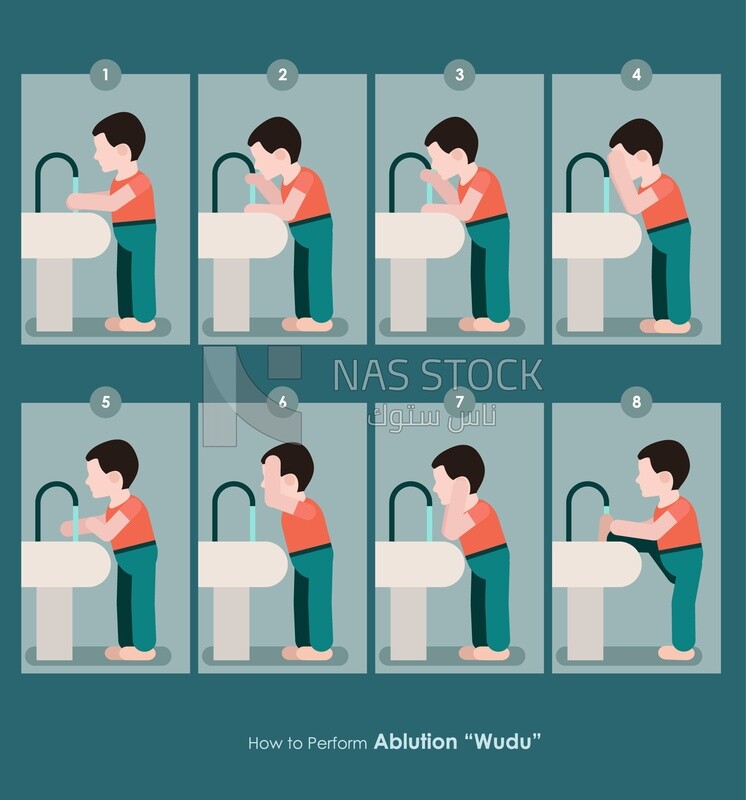
Illustration design of Teaching ablution ,Correct ablution steps

186 Man Sore Throat Images Images, Stock Photos & Vectors Shutterstock

Appendicitis Symptoms Infographic. Stock Vector Illustration of

sınıfımızın abdest köşesi Islamic kids activities, Muslim kids

Premium Vector Vector the boy doing ablution illustration

Premium Vector How to pray salah while sitting on the chair
Vomiting Is The Forcible Voluntary Or Involuntary Emptying Of Stomach Contents.
There Are Different Reasons Why We Throw Up.
Nausea Is An Uneasiness Of The Stomach That Often Comes Before Vomiting.
Vomiting Happens When Your Stomach Contents Are Forced Back Up Your Esophagus And Out Of Your Mouth.
Related Post: