
Velocity Template Language
Velocity Template Language - I heard it would be possible to have zero instantanous velocity & non zero acceleration (i know the opposite situation where there is velocity (constant), but zero. I know the flow rate of gas (products of combustion + air) entering a natural draught (no fans) flue. My first impulse is to apply bernoulli's principal. Velocity of flue gas = flow rate (corrected for. No, there probably isn't a formula for this velocity. To do this we work out the area of the nozzle and. If the flue is removing all the gas: When it came to the suvat equations, where v = final velocity, and u = initial velocity,. Actual velocity depends on density and pipe size. I thought velocity was always a vector quantity, one with both magnitude and direction. Actual velocity depends on density and pipe size. No, there probably isn't a formula for this velocity. My first impulse is to apply bernoulli's principal. Velocity of flue gas = flow rate (corrected for. I thought velocity was always a vector quantity, one with both magnitude and direction. It can also be thought of as the speed of a moving object divided by the time of travel. In this case, it is the speed of a body. When it came to the suvat equations, where v = final velocity, and u = initial velocity,. To do this we work out the area of the nozzle and. I know the flow rate of gas (products of combustion + air) entering a natural draught (no fans) flue. Actual velocity depends on density and pipe size. Velocity of flue gas = flow rate (corrected for. If the flue is removing all the gas: To do this we work out the area of the nozzle and. I heard it would be possible to have zero instantanous velocity & non zero acceleration (i know the opposite situation where there is. I thought velocity was always a vector quantity, one with both magnitude and direction. If the flue is removing all the gas: No, there probably isn't a formula for this velocity. How does the velocity of the escaping gas relate to the diameter of the hole? I know the flow rate of gas (products of combustion + air) entering a. In this case, it is the speed of a body. If anything, you might be able to find the force between two magnets, however it is very dependent on the spacing between the. I am not sure even how to approach this. Velocity of flue gas = flow rate (corrected for. To do this we work out the area of. When it came to the suvat equations, where v = final velocity, and u = initial velocity,. I am not sure even how to approach this. In this case, it is the speed of a body. If the flue is removing all the gas: I know the flow rate of gas (products of combustion + air) entering a natural draught. How does the velocity of the escaping gas relate to the diameter of the hole? This can be a change in. It can also be thought of as the speed of a moving object divided by the time of travel. I know the flow rate of gas (products of combustion + air) entering a natural draught (no fans) flue. To. I heard it would be possible to have zero instantanous velocity & non zero acceleration (i know the opposite situation where there is velocity (constant), but zero. When it came to the suvat equations, where v = final velocity, and u = initial velocity,. I am not sure even how to approach this. Velocity of flue gas = flow rate. I heard it would be possible to have zero instantanous velocity & non zero acceleration (i know the opposite situation where there is velocity (constant), but zero. If anything, you might be able to find the force between two magnets, however it is very dependent on the spacing between the. I thought velocity was always a vector quantity, one with. I thought velocity was always a vector quantity, one with both magnitude and direction. If anything, you might be able to find the force between two magnets, however it is very dependent on the spacing between the. Velocity of flue gas = flow rate (corrected for. When it came to the suvat equations, where v = final velocity, and u. Velocity of flue gas = flow rate (corrected for. No, there probably isn't a formula for this velocity. If the flue is removing all the gas: I thought velocity was always a vector quantity, one with both magnitude and direction. I heard it would be possible to have zero instantanous velocity & non zero acceleration (i know the opposite situation. How does the velocity of the escaping gas relate to the diameter of the hole? If the flue is removing all the gas: It can also be thought of as the speed of a moving object divided by the time of travel. I thought velocity was always a vector quantity, one with both magnitude and direction. This can be a. When it came to the suvat equations, where v = final velocity, and u = initial velocity,. If anything, you might be able to find the force between two magnets, however it is very dependent on the spacing between the. It can also be thought of as the speed of a moving object divided by the time of travel. I heard it would be possible to have zero instantanous velocity & non zero acceleration (i know the opposite situation where there is velocity (constant), but zero. How does the velocity of the escaping gas relate to the diameter of the hole? My first impulse is to apply bernoulli's principal. If the flue is removing all the gas: Calculating nozzle flow rate to work out the flow rate of water from a nozzle we need to work out the volume in a given period of time. To do this we work out the area of the nozzle and. I thought velocity was always a vector quantity, one with both magnitude and direction. Actual velocity depends on density and pipe size. No, there probably isn't a formula for this velocity. Velocity of flue gas = flow rate (corrected for. In this case, it is the speed of a body.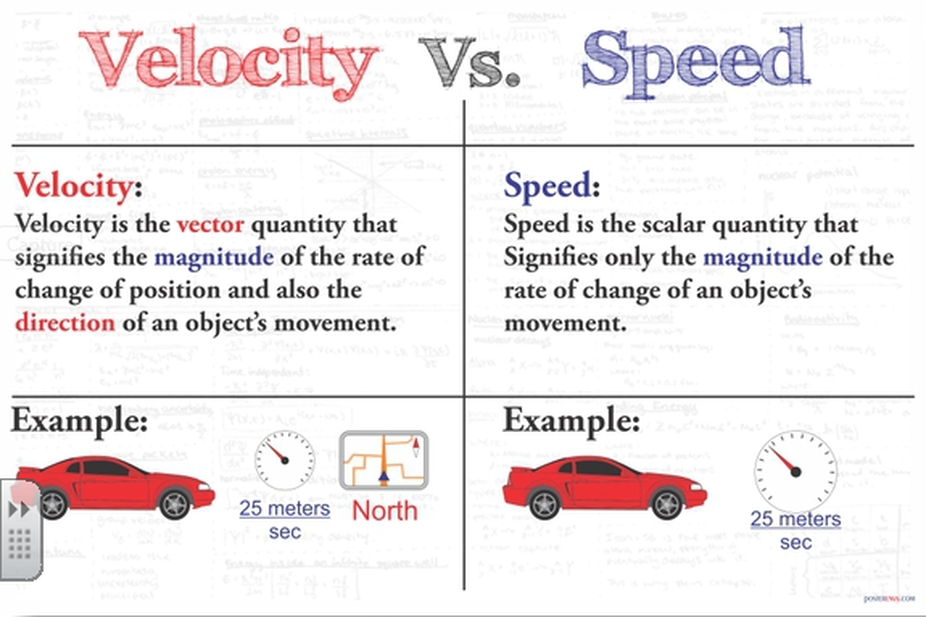
Velocity 8THGRADE SCIENCE
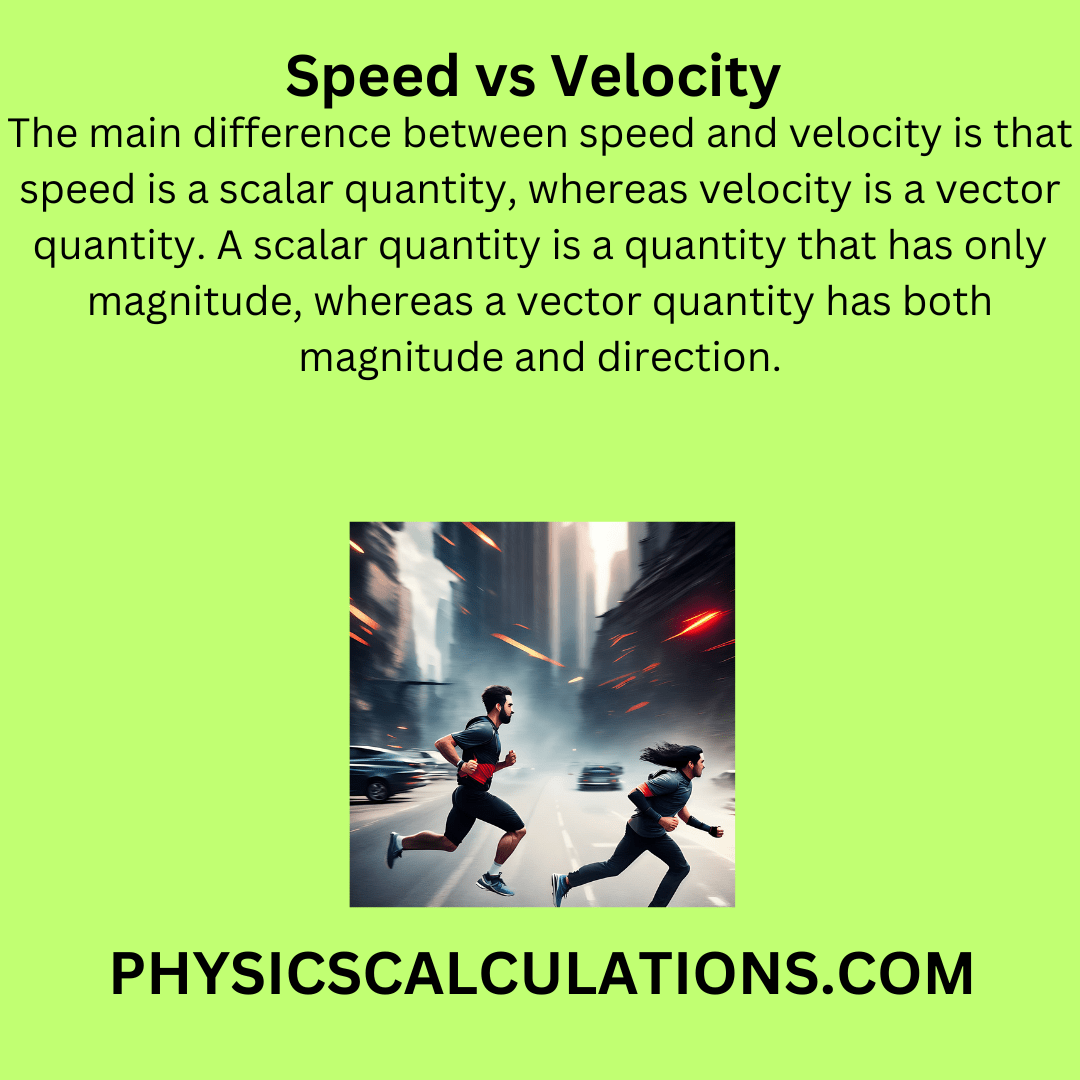
Speed vs Velocity Understanding the Difference
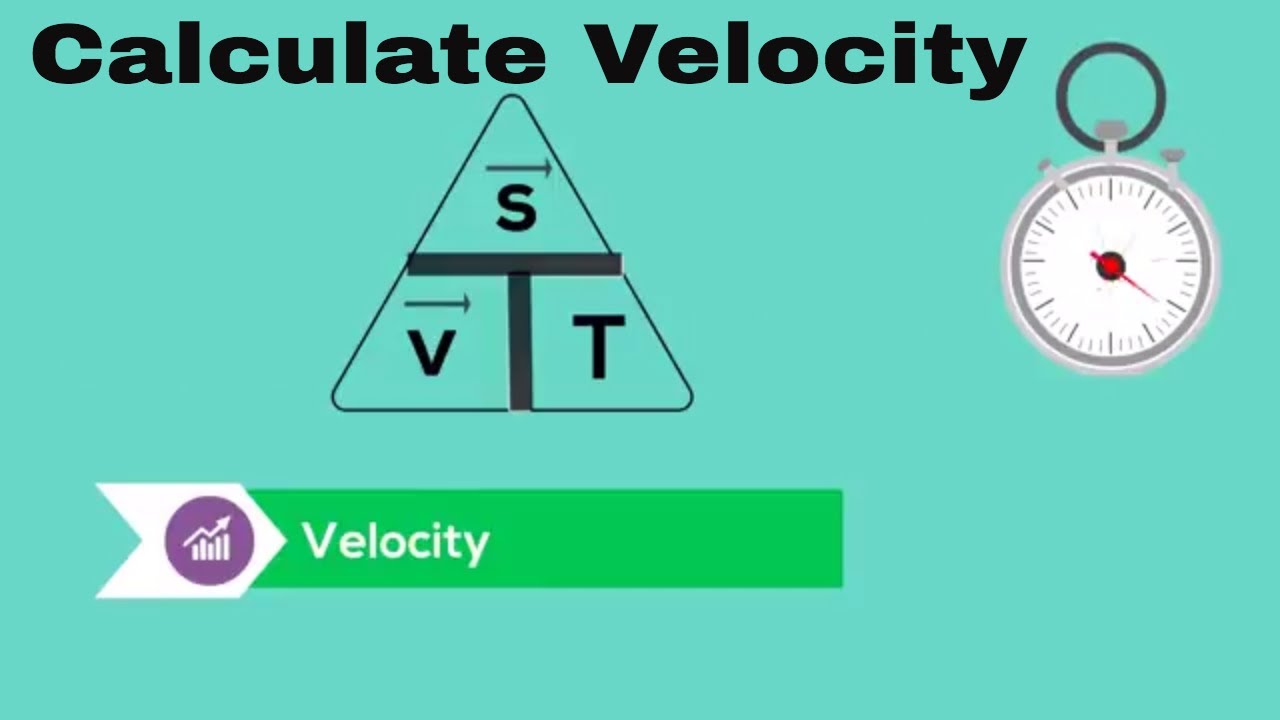
how to calculate velocity Chaprelle

Study of the Motion of Objects ppt download

What is Velocity?
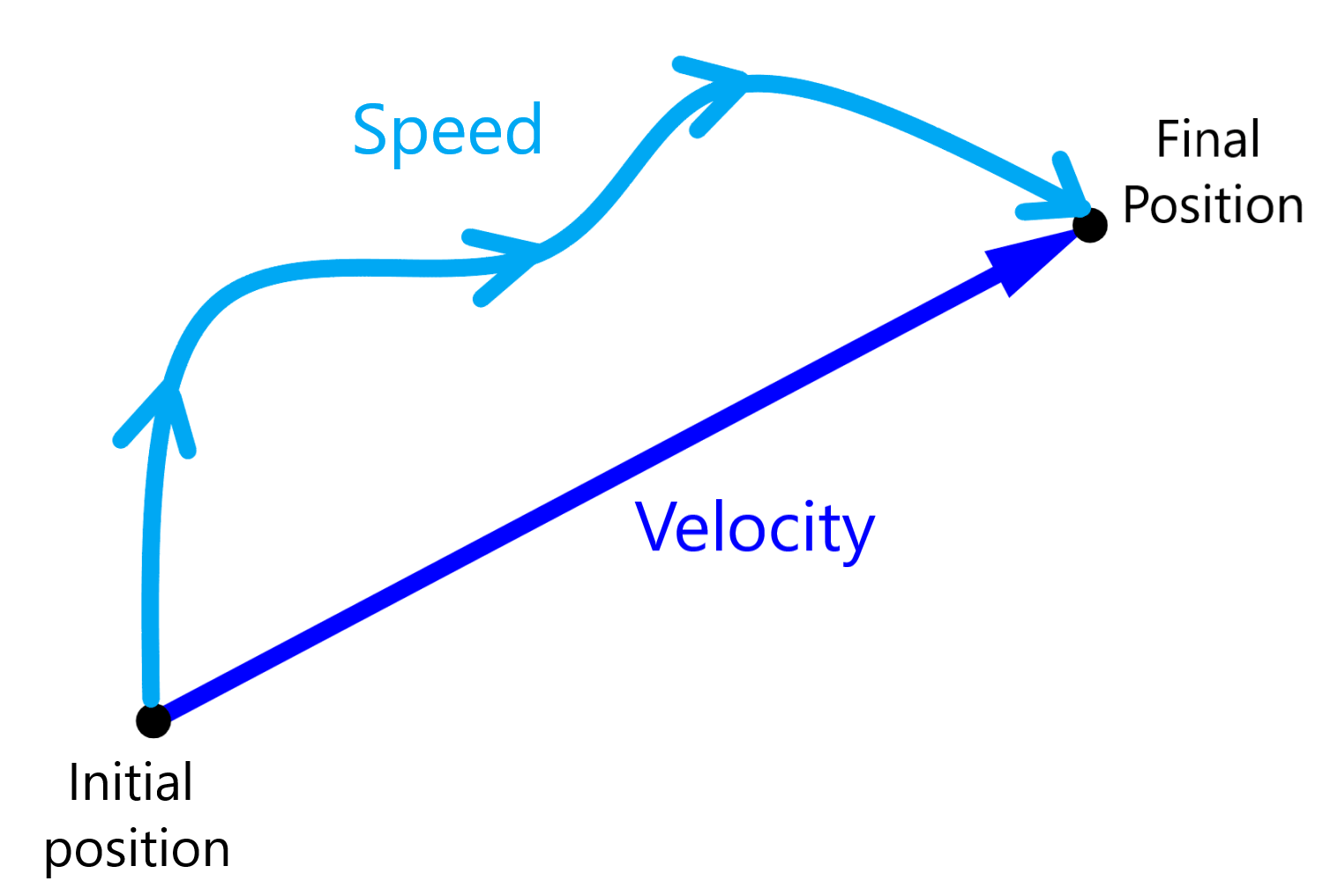
Velocity vs Speed in Physics Neurochispas
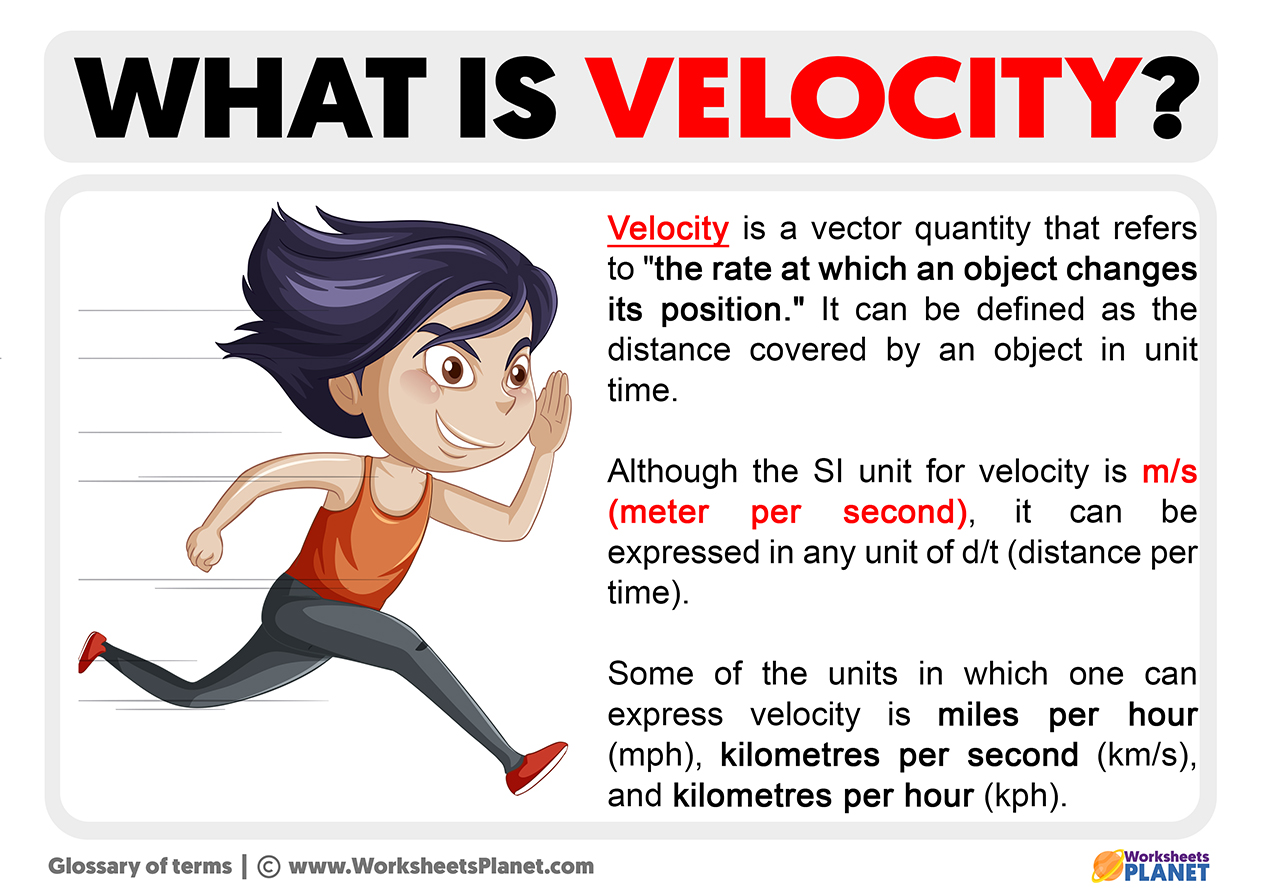
What is Velocity
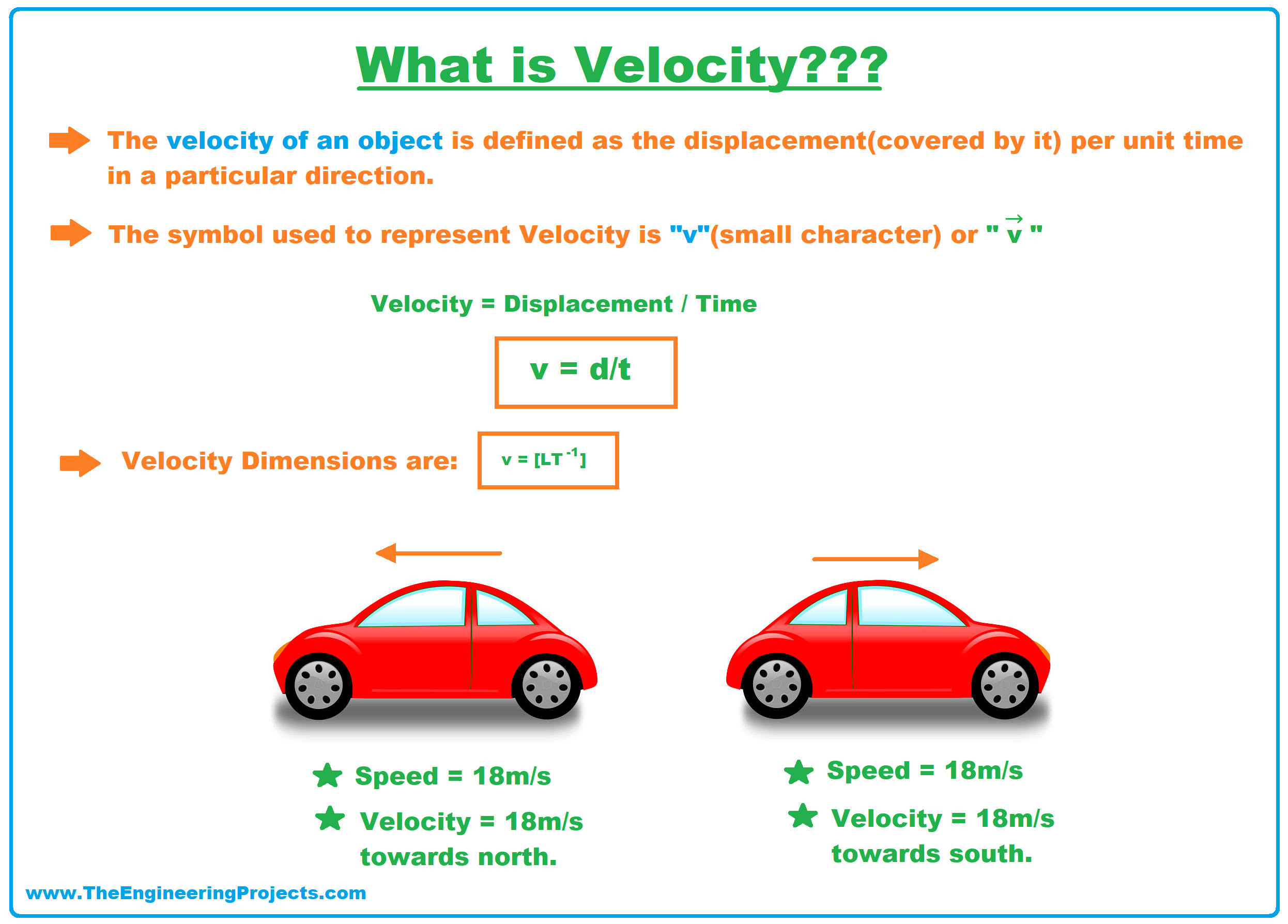
Speed And Velocity Symbol

Velocity Formula
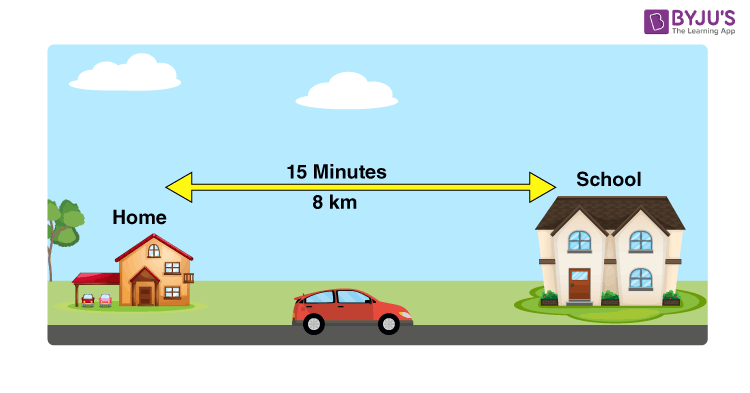
Velocity
This Can Be A Change In.
I Am Not Sure Even How To Approach This.
I Know The Flow Rate Of Gas (Products Of Combustion + Air) Entering A Natural Draught (No Fans) Flue.
Velocity Is The Speed At Which An Object Is Moving.
Related Post: