
Sql Query Template
Sql Query Template - 11 in sql, anything you evaluate / compute with null results into unknown this is why select * from mytable where mycolumn != null or select * from. In the table, one customer like john smith can have multiple addresses. When avoiding null values in sql concatenations, which one is the best to be used? I need the select query for this table to return only first row found where there are duplicates in 'cname'. Basically i want to know if a location has paid out more than $50 for the day or the comment section has the word. Select * from users where registrationdate >= '1/20/2009' (registrationdate is datetime type) thanks But since the question title just says sql, i should mention that there are some forms. The @custid means it's a parameter that you will supply a value for later in your code. The other answers are correct if you're dealing with sql server, and it's clear that you are. This is the best way of protecting against sql injection. What are the practical differences between coalesce() and isnull(,'')? But since the question title just says sql, i should mention that there are some forms. I have a query that is gathering information based on a set of conditions. The @custid means it's a parameter that you will supply a value for later in your code. This is the best way of protecting against sql injection. The other answers are correct if you're dealing with sql server, and it's clear that you are. Which query will give the table structure with column definitions in sql? In sqlserver, how do i compare dates? When avoiding null values in sql concatenations, which one is the best to be used? Select * from users where registrationdate >= '1/20/2009' (registrationdate is datetime type) thanks In the table, one customer like john smith can have multiple addresses. In sqlserver, how do i compare dates? 11 in sql, anything you evaluate / compute with null results into unknown this is why select * from mytable where mycolumn != null or select * from. Select * from users where registrationdate >= '1/20/2009' (registrationdate is datetime type) thanks. Basically i want to know if a location has paid out more than $50 for the day or the comment section has the word. In the table, one customer like john smith can have multiple addresses. I need the select query for this table to return only first row found where there are duplicates in 'cname'. But since the question. The @custid means it's a parameter that you will supply a value for later in your code. I need the select query for this table to return only first row found where there are duplicates in 'cname'. Which query will give the table structure with column definitions in sql? In sqlserver, how do i compare dates? I have a query. Select * from users where registrationdate >= '1/20/2009' (registrationdate is datetime type) thanks What are the practical differences between coalesce() and isnull(,'')? When avoiding null values in sql concatenations, which one is the best to be used? Basically i want to know if a location has paid out more than $50 for the day or the comment section has the. 11 in sql, anything you evaluate / compute with null results into unknown this is why select * from mytable where mycolumn != null or select * from. The other answers are correct if you're dealing with sql server, and it's clear that you are. Which query will give the table structure with column definitions in sql? Select * from. Basically i want to know if a location has paid out more than $50 for the day or the comment section has the word. I have a query that is gathering information based on a set of conditions. The @custid means it's a parameter that you will supply a value for later in your code. What are the practical differences. The @custid means it's a parameter that you will supply a value for later in your code. Select * from users where registrationdate >= '1/20/2009' (registrationdate is datetime type) thanks When avoiding null values in sql concatenations, which one is the best to be used? In the table, one customer like john smith can have multiple addresses. In sqlserver, how. In sqlserver, how do i compare dates? I have a query that is gathering information based on a set of conditions. Create your query using parameters, rather than. Basically i want to know if a location has paid out more than $50 for the day or the comment section has the word. I need the select query for this table. But since the question title just says sql, i should mention that there are some forms. The @custid means it's a parameter that you will supply a value for later in your code. What are the practical differences between coalesce() and isnull(,'')? In sqlserver, how do i compare dates? I need the select query for this table to return only. In the table, one customer like john smith can have multiple addresses. Select * from users where registrationdate >= '1/20/2009' (registrationdate is datetime type) thanks Which query will give the table structure with column definitions in sql? Basically i want to know if a location has paid out more than $50 for the day or the comment section has the. The other answers are correct if you're dealing with sql server, and it's clear that you are. The @custid means it's a parameter that you will supply a value for later in your code. In sqlserver, how do i compare dates? Create your query using parameters, rather than. Which query will give the table structure with column definitions in sql? But since the question title just says sql, i should mention that there are some forms. I need the select query for this table to return only first row found where there are duplicates in 'cname'. This is the best way of protecting against sql injection. When avoiding null values in sql concatenations, which one is the best to be used? Select * from users where registrationdate >= '1/20/2009' (registrationdate is datetime type) thanks 11 in sql, anything you evaluate / compute with null results into unknown this is why select * from mytable where mycolumn != null or select * from. What are the practical differences between coalesce() and isnull(,'')?
What is SQL Database Structure, Types, Examples

SQL Tutorial

SQL Structured Query Language Introduction, Evolution HKT SOFT
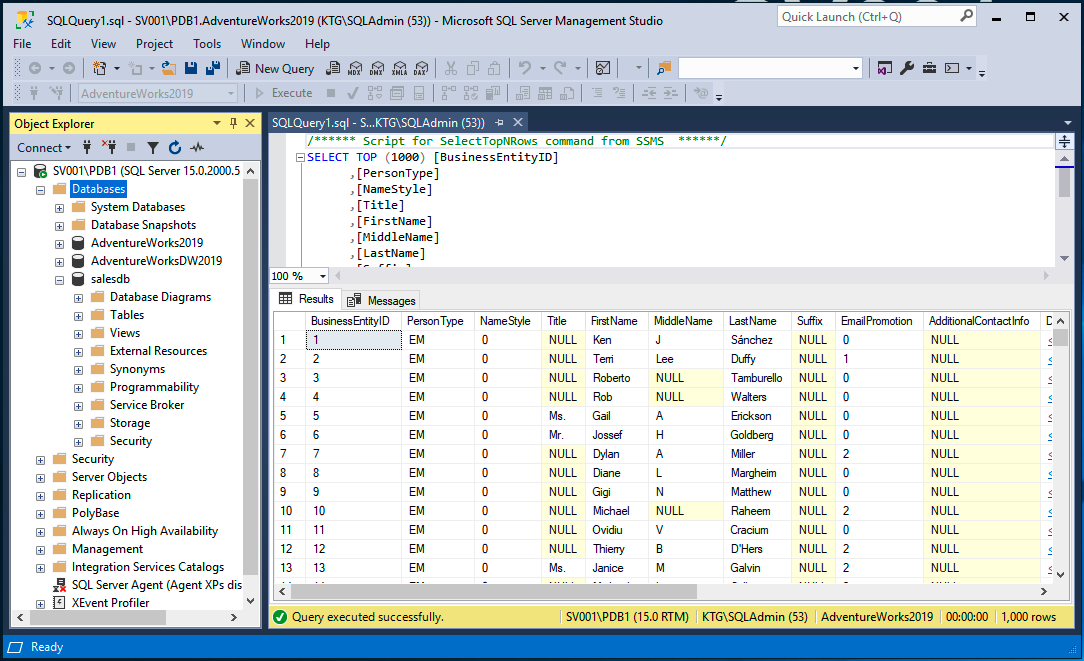
Management Studio

SQL WITH Weld SQL Tutorial

What are the most commonly used SQL commands?
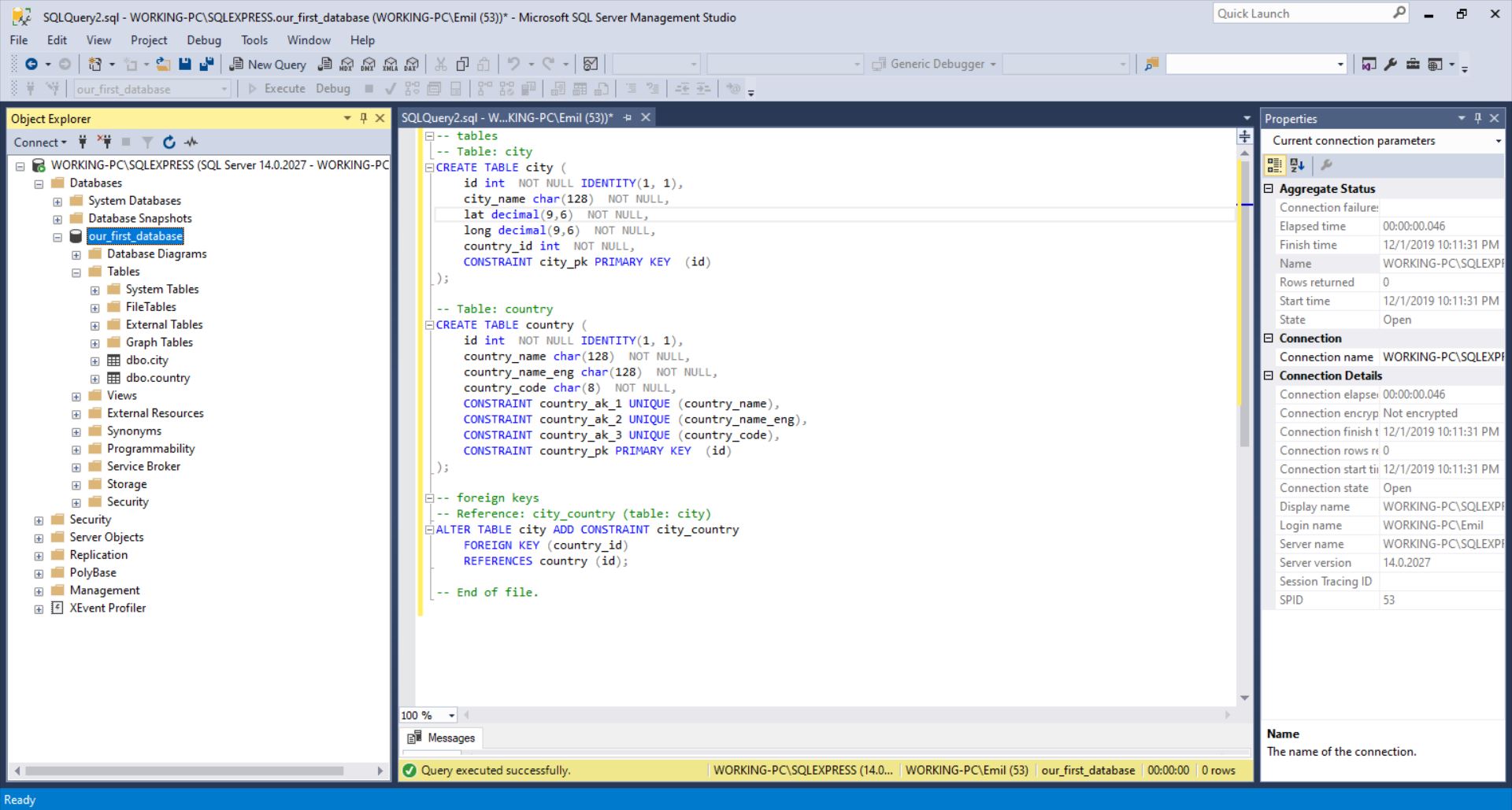
How To Search For A Table Name In Sql Server at Penny Troche blog

What is SQL Database Structure, Types, Examples
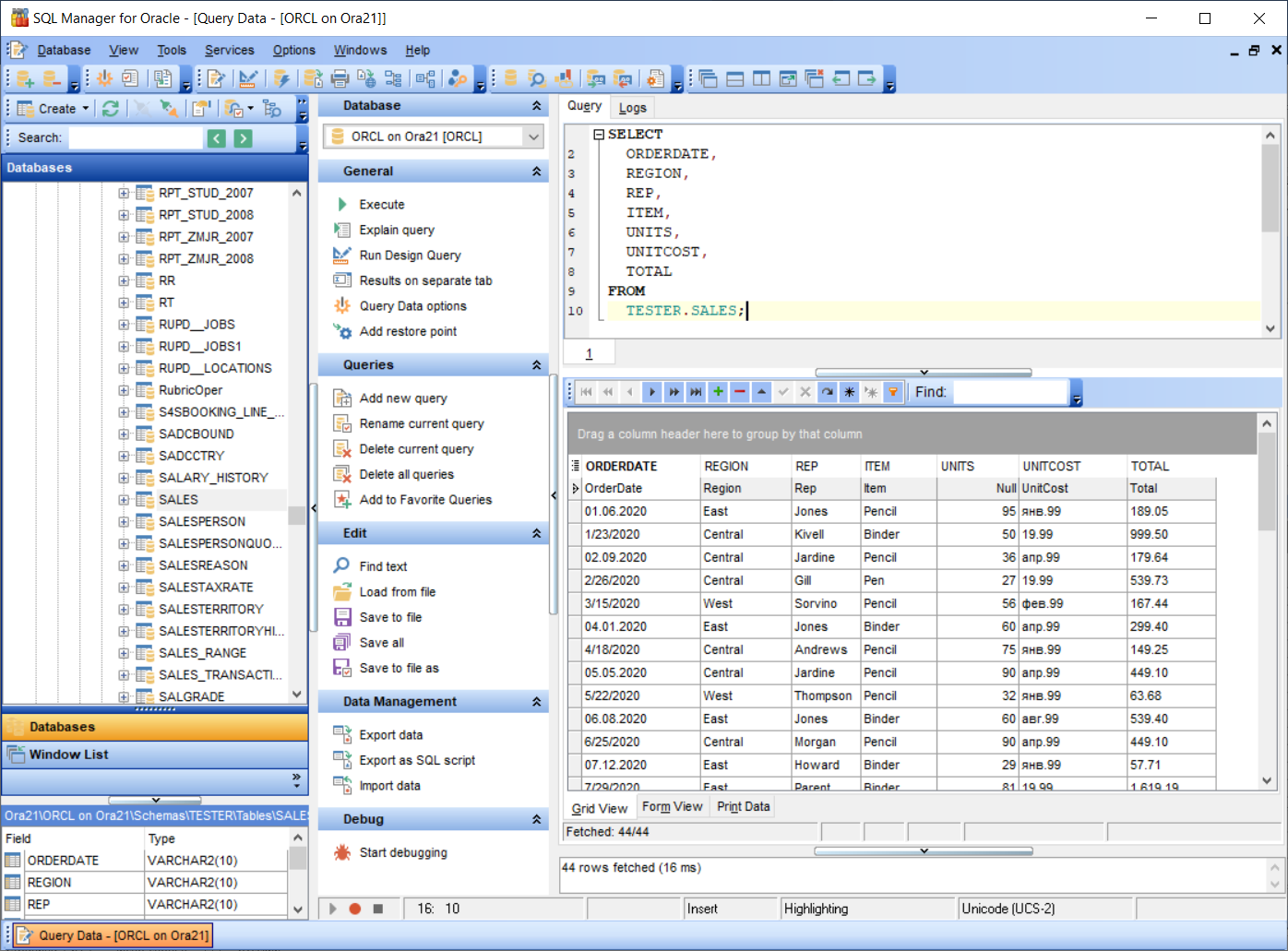
SQL Manager for Oracle SQLManager

Writing Basic SQL Queries Examples for Beginners
In The Table, One Customer Like John Smith Can Have Multiple Addresses.
Basically I Want To Know If A Location Has Paid Out More Than $50 For The Day Or The Comment Section Has The Word.
I Have A Query That Is Gathering Information Based On A Set Of Conditions.
Related Post: