
Seizure Action Plan Template
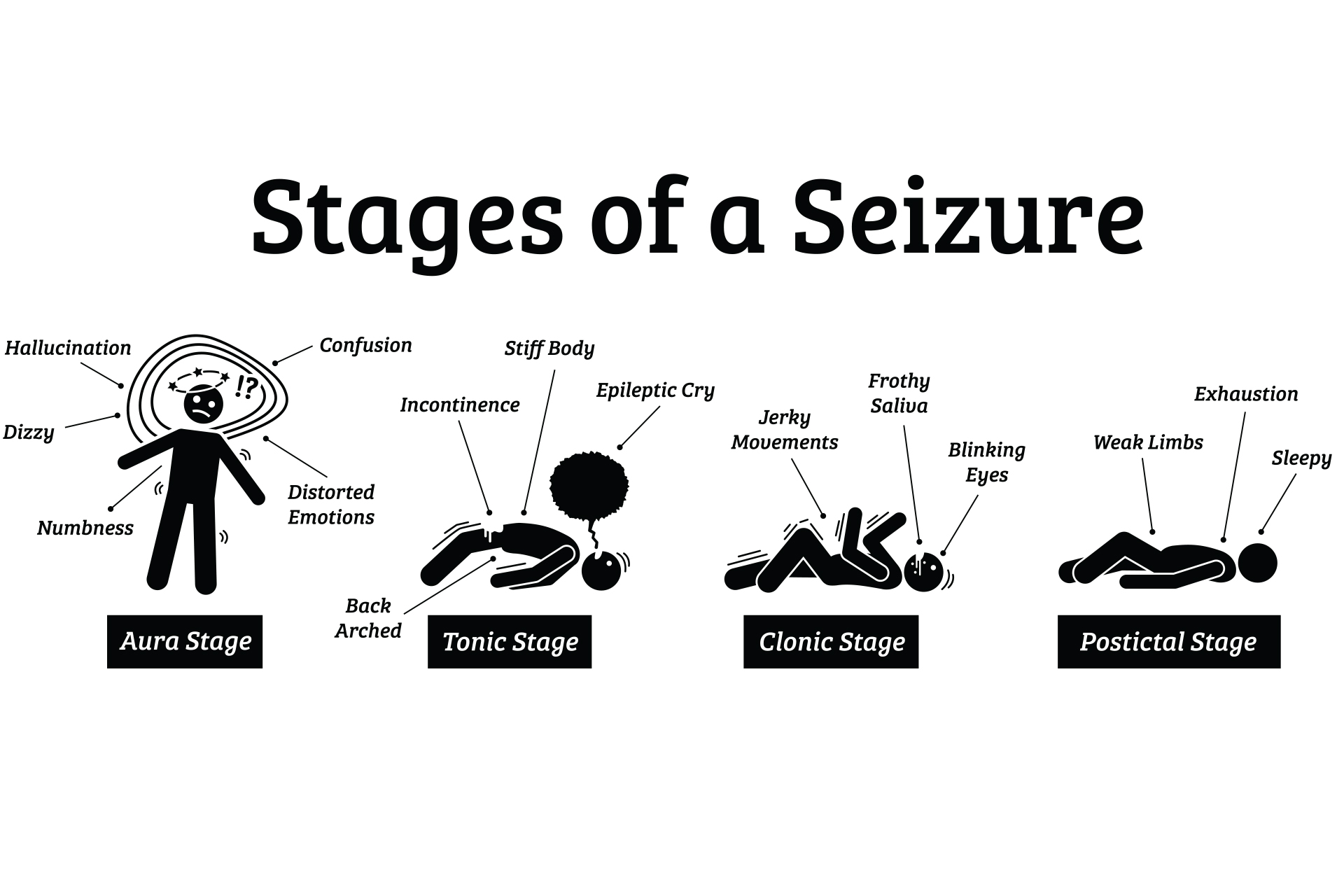
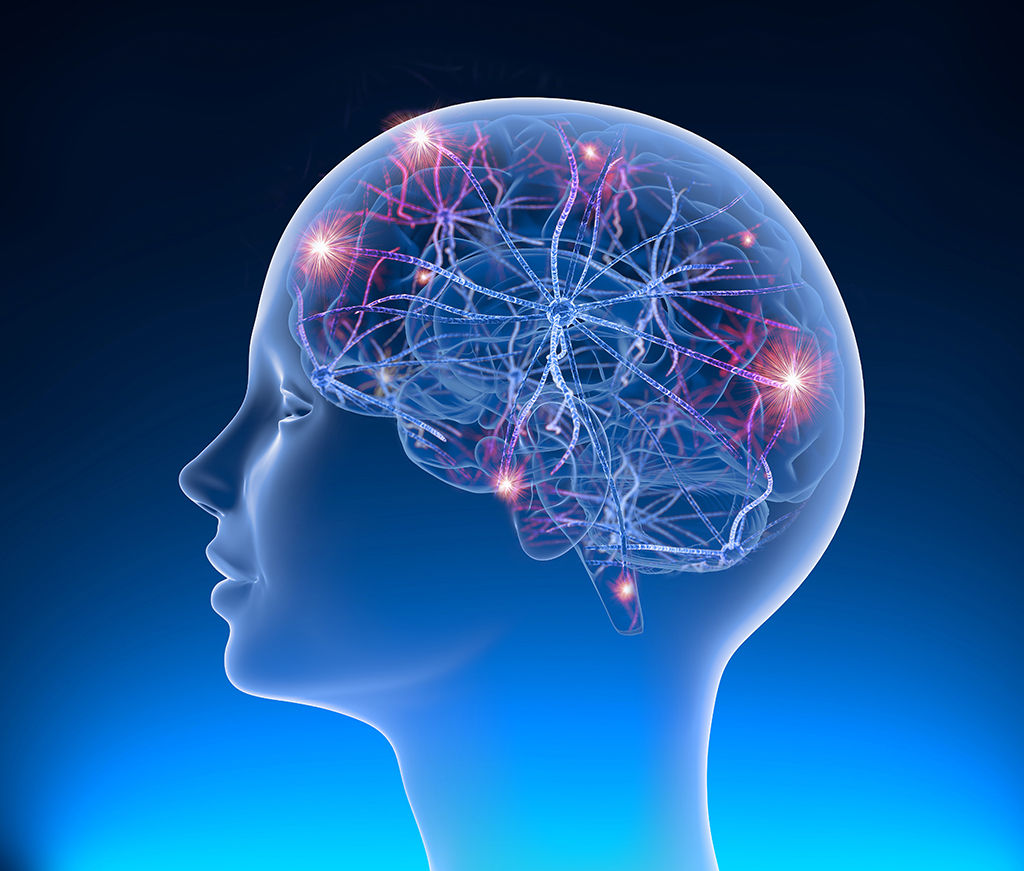
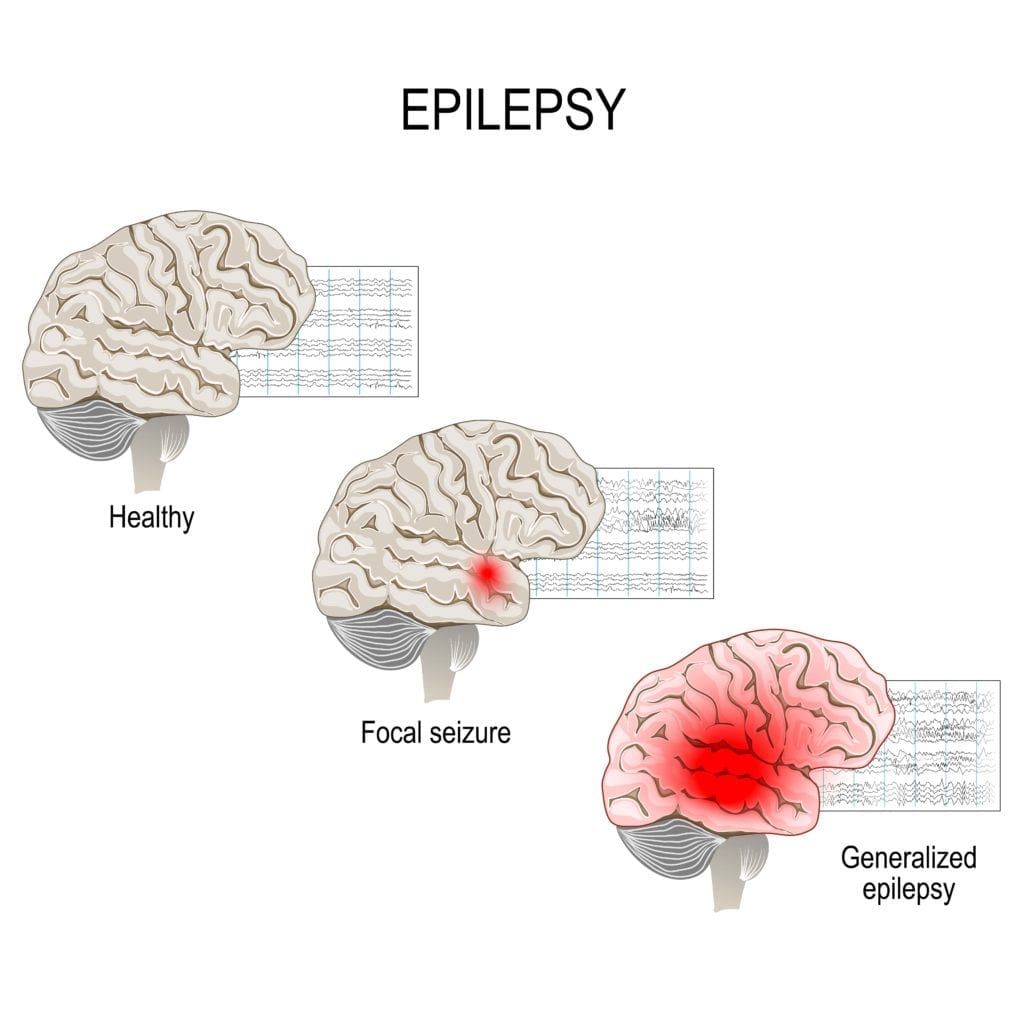
Seizure Action Plan Template - Seizures are changes in the brain’s electrical activity. The most common cause of seizures is a condition called epilepsy, a brain disorder that causes nerve. Seizures can take many different forms, including. This creates a change in behavior or sensation and may cause a loss of awareness or consciousness. Seizures can happen for many reasons, and they can be mild or severe. Epilepsy is defined as having two. A seizure is a sudden, brief disruption of brain activity caused by abnormal, excessive, or synchronous neuronal firing. A seizure is the result of abnormal electrical activity in the brain, leading to temporary and involuntary changes in body movement, function, sensation, awareness or behavior. A seizure is a burst of uncontrolled electrical activity between brain cells that causes temporary abnormalities in muscle tone or movements (stiffness, twitching or limpness), behaviors,. A seizure represents the uncontrolled, abnormal electrical activity of the brain that may cause changes in the level of consciousness, behavior, memory, or feelings. A seizure is a sudden, uncontrolled electrical disturbance in the brain. This creates a change in behavior or sensation and may cause a loss of awareness or consciousness. A seizure represents the uncontrolled, abnormal electrical activity of the brain that may cause changes in the level of consciousness, behavior, memory, or feelings. Epilepsy is defined as having two. The most common cause of seizures is a condition called epilepsy, a brain disorder that causes nerve. A seizure is a burst of uncontrolled electrical activity between brain cells that causes temporary abnormalities in muscle tone or movements (stiffness, twitching or limpness), behaviors,. A seizure is the result of abnormal electrical activity in the brain, leading to temporary and involuntary changes in body movement, function, sensation, awareness or behavior. Seizures can take many different forms, including. A seizure is a sudden burst of electrical activity in the brain. It can cause changes in behavior, movements, feelings and levels of consciousness. A seizure is a sudden, brief disruption of brain activity caused by abnormal, excessive, or synchronous neuronal firing. Seizures can take many different forms, including. A seizure is an abnormal release of electrical activity in the brain that causes temporary changes in how a person moves, feels, or thinks. [5][11] depending on the regions of the brain involved, seizures. A. A seizure is an abnormal release of electrical activity in the brain that causes temporary changes in how a person moves, feels, or thinks. A seizure is a sudden, uncontrolled electrical disturbance in the brain. A seizure is the result of abnormal electrical activity in the brain, leading to temporary and involuntary changes in body movement, function, sensation, awareness or. Epilepsy is defined as having two. Seizures can take many different forms, including. A seizure is a sudden, brief disruption of brain activity caused by abnormal, excessive, or synchronous neuronal firing. This creates a change in behavior or sensation and may cause a loss of awareness or consciousness. A seizure is a sudden, uncontrolled electrical disturbance in the brain. Seizures can take many different forms, including. A seizure represents the uncontrolled, abnormal electrical activity of the brain that may cause changes in the level of consciousness, behavior, memory, or feelings. These changes can cause dramatic, noticeable symptoms, subtle or mild symptoms, or no symptoms at all. [5][11] depending on the regions of the brain involved, seizures. It can cause. A seizure is a burst of uncontrolled electrical activity between brain cells that causes temporary abnormalities in muscle tone or movements (stiffness, twitching or limpness), behaviors,. A seizure is the result of abnormal electrical activity in the brain, leading to temporary and involuntary changes in body movement, function, sensation, awareness or behavior. Seizures are changes in the brain’s electrical activity.. Seizures can take many different forms, including. A seizure is a sudden, brief disruption of brain activity caused by abnormal, excessive, or synchronous neuronal firing. It can cause changes in behavior, movements, feelings and levels of consciousness. A seizure is a burst of uncontrolled electrical activity between brain cells that causes temporary abnormalities in muscle tone or movements (stiffness, twitching. These changes can cause dramatic, noticeable symptoms, subtle or mild symptoms, or no symptoms at all. A seizure represents the uncontrolled, abnormal electrical activity of the brain that may cause changes in the level of consciousness, behavior, memory, or feelings. A seizure is a sudden, uncontrolled electrical disturbance in the brain. A seizure is an abnormal release of electrical activity. Seizures can take many different forms, including. Seizures can happen for many reasons, and they can be mild or severe. A seizure is the result of abnormal electrical activity in the brain, leading to temporary and involuntary changes in body movement, function, sensation, awareness or behavior. The most recognizable symptoms of a seizure are a temporary loss of consciousness. Epilepsy. [5][11] depending on the regions of the brain involved, seizures. A seizure is a sudden, brief disruption of brain activity caused by abnormal, excessive, or synchronous neuronal firing. This creates a change in behavior or sensation and may cause a loss of awareness or consciousness. The most recognizable symptoms of a seizure are a temporary loss of consciousness. Seizures can. A seizure is a sudden, uncontrolled electrical disturbance in the brain. These changes can cause dramatic, noticeable symptoms, subtle or mild symptoms, or no symptoms at all. [5][11] depending on the regions of the brain involved, seizures. A seizure is a burst of uncontrolled electrical activity between brain cells that causes temporary abnormalities in muscle tone or movements (stiffness, twitching. The most common cause of seizures is a condition called epilepsy, a brain disorder that causes nerve. A seizure is a burst of uncontrolled electrical activity between brain cells that causes temporary abnormalities in muscle tone or movements (stiffness, twitching or limpness), behaviors,. Epilepsy is defined as having two. These changes can cause dramatic, noticeable symptoms, subtle or mild symptoms, or no symptoms at all. A seizure is the result of abnormal electrical activity in the brain, leading to temporary and involuntary changes in body movement, function, sensation, awareness or behavior. A seizure is a sudden, uncontrolled electrical disturbance in the brain. A seizure is a sudden, brief disruption of brain activity caused by abnormal, excessive, or synchronous neuronal firing. This creates a change in behavior or sensation and may cause a loss of awareness or consciousness. Seizures can happen for many reasons, and they can be mild or severe. [5][11] depending on the regions of the brain involved, seizures. Seizures are changes in the brain’s electrical activity. Seizures can take many different forms, including. A seizure represents the uncontrolled, abnormal electrical activity of the brain that may cause changes in the level of consciousness, behavior, memory, or feelings.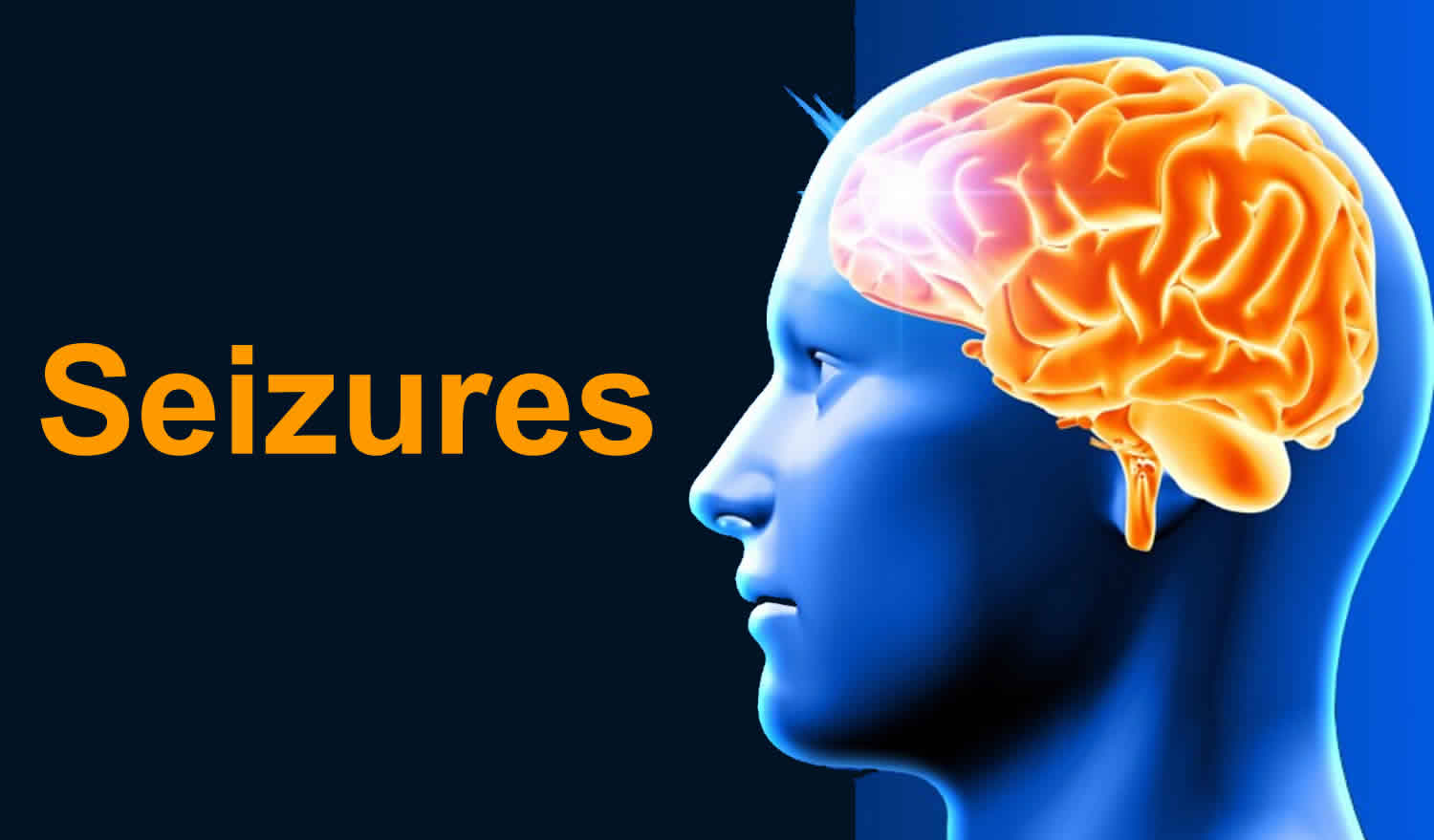
Generalized Seizure
What are Seizure Disorders? Signature Health Services
:max_bytes(150000):strip_icc()/seizures-as-a-symptom-of-multiple-sclerosis-2440813-2cafbb9630cd4c65bfa0a9bd08c3fb2f.gif)
Seizures
Epilepsy Brain Diagram

Eslicarbazepine Reduces Seizures, Improves HRQoL in Epilepsy
Types Of Seizures
:max_bytes(150000):strip_icc()/VWH-ZoeHansen-WhatisaSeizure-Standard-6e3b6c525c734e4b823e88dd1e9000d0.jpg)
Seizures Brain Activity, Types, and Causes

Epilepsy Symptoms
:max_bytes(150000):strip_icc()/VWH-LeciaLandis-EpilepsyvsSeizure-Standard-3618c76c8348414ba91cfc6afd778f6e.jpg)
Epilepsy Wikipedia
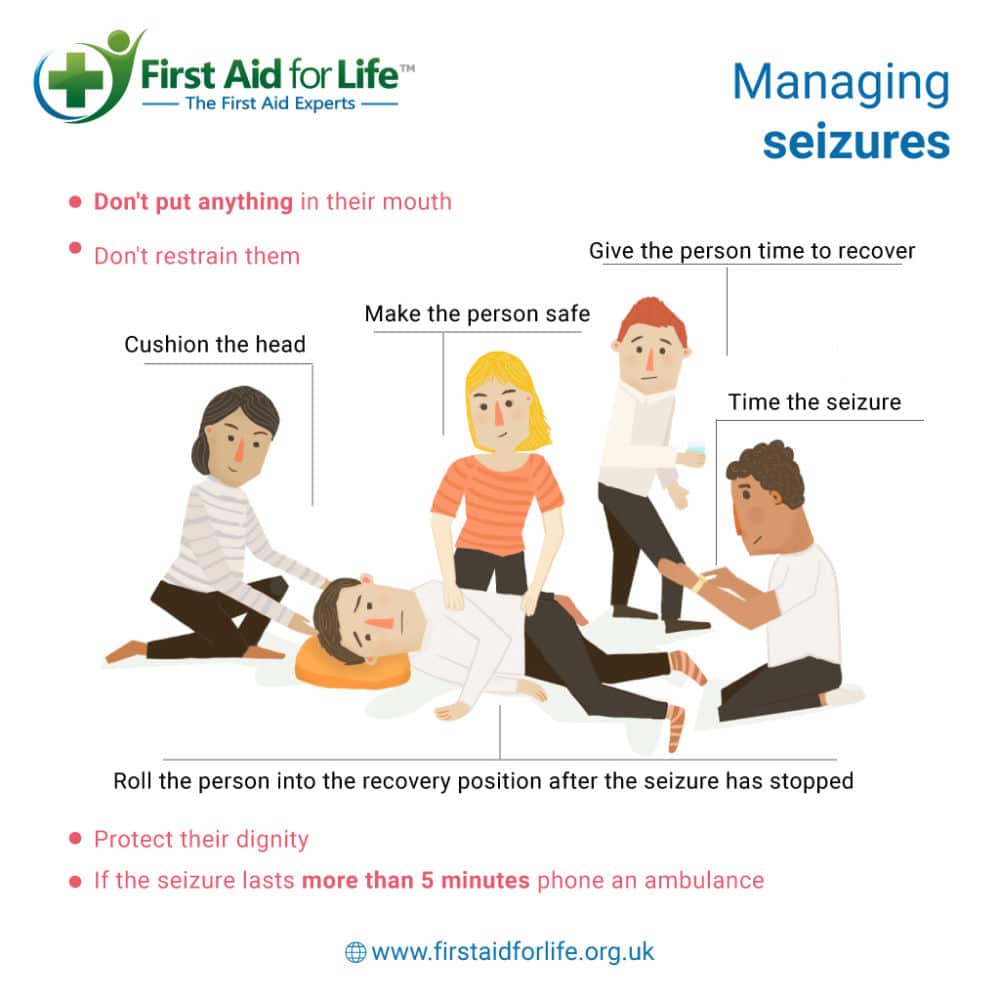
Seizures, convulsions and epilepsy A complete guide
A Seizure Is An Abnormal Release Of Electrical Activity In The Brain That Causes Temporary Changes In How A Person Moves, Feels, Or Thinks.
The Most Recognizable Symptoms Of A Seizure Are A Temporary Loss Of Consciousness.
A Seizure Is A Sudden Burst Of Electrical Activity In The Brain.
It Can Cause Changes In Behavior, Movements, Feelings And Levels Of Consciousness.
Related Post: