
Level 10 Meeting Template Excel
Level 10 Meeting Template Excel - This is very simple question, but i cannot find information. I'll give you an example: The java.util.logging.level documentation does a good job of defining when to use a log level and the target audience of that log level. Import os parent_dir = os.path.split(os.getcwd())[0] os.path.split() method returns a tuple (head, tail). (maybe my knowledge about java frameworks is severely lacking.) how can i set the logging level with. What is the hierarchy of log4j logging? This is a nice solution if you want to slice and drop for the same level. Scala is much higher level than java and provides many. A high level programming language isn't necessarily slower than than a low level programming language. If you wanted to slice on the second level (say b) then drop that level and be left with the first level (a), the following would. Debug info warn error fatal which one provides the highest logging which would be helpful to troubleshoot issues? This is very simple question, but i cannot find information. # return factorial result = 1 for i in range. Import os parent_dir = os.path.split(os.getcwd())[0] os.path.split() method returns a tuple (head, tail). I'll give you an example: If you wanted to slice on the second level (say b) then drop that level and be left with the first level (a), the following would. (maybe my knowledge about java frameworks is severely lacking.) how can i set the logging level with. Most of the confusion with java.util.logging. Notice how you have to explicitly allow content for each level you want to include. What is the hierarchy of log4j logging? The java.util.logging.level documentation does a good job of defining when to use a log level and the target audience of that log level. (maybe my knowledge about java frameworks is severely lacking.) how can i set the logging level with. Import os parent_dir = os.path.split(os.getcwd())[0] os.path.split() method returns a tuple (head, tail). # return factorial result = 1 for i. # return factorial result = 1 for i in range. This is a nice solution if you want to slice and drop for the same level. (maybe my knowledge about java frameworks is severely lacking.) how can i set the logging level with. A high level programming language isn't necessarily slower than than a low level programming language. Notice how. This is a nice solution if you want to slice and drop for the same level. A high level programming language isn't necessarily slower than than a low level programming language. When i compile the python code below, i get indentationerror: I'll give you an example: The java.util.logging.level documentation does a good job of defining when to use a log. When level <= 2, then you will get each level 1 time (for level 1) + the number of records in the table (that means for this condition 2 records having level 1 + 2*2 records. (maybe my knowledge about java frameworks is severely lacking.) how can i set the logging level with. Unindent does not match any outer indentation. So if i have subdirectories five deep under themes, i still need to spell that out. Import os parent_dir = os.path.split(os.getcwd())[0] os.path.split() method returns a tuple (head, tail). Notice how you have to explicitly allow content for each level you want to include. Scala is much higher level than java and provides many. I'll give you an example: If you wanted to slice on the second level (say b) then drop that level and be left with the first level (a), the following would. So if i have subdirectories five deep under themes, i still need to spell that out. Scala is much higher level than java and provides many. When i compile the python code below, i. # return factorial result = 1 for i in range. The java.util.logging.level documentation does a good job of defining when to use a log level and the target audience of that log level. What is the hierarchy of log4j logging? Debug info warn error fatal which one provides the highest logging which would be helpful to troubleshoot issues? When level. Scala is much higher level than java and provides many. Most of the confusion with java.util.logging. The java.util.logging.level documentation does a good job of defining when to use a log level and the target audience of that log level. (maybe my knowledge about java frameworks is severely lacking.) how can i set the logging level with. Import os parent_dir =. When level <= 2, then you will get each level 1 time (for level 1) + the number of records in the table (that means for this condition 2 records having level 1 + 2*2 records. This is a nice solution if you want to slice and drop for the same level. So if i have subdirectories five deep under. The java.util.logging.level documentation does a good job of defining when to use a log level and the target audience of that log level. (maybe my knowledge about java frameworks is severely lacking.) how can i set the logging level with. Import os parent_dir = os.path.split(os.getcwd())[0] os.path.split() method returns a tuple (head, tail). So if i have subdirectories five deep under. Import os parent_dir = os.path.split(os.getcwd())[0] os.path.split() method returns a tuple (head, tail). So if i have subdirectories five deep under themes, i still need to spell that out. A high level programming language isn't necessarily slower than than a low level programming language. (maybe my knowledge about java frameworks is severely lacking.) how can i set the logging level with. The java.util.logging.level documentation does a good job of defining when to use a log level and the target audience of that log level. What is the hierarchy of log4j logging? Debug info warn error fatal which one provides the highest logging which would be helpful to troubleshoot issues? I'll give you an example: Scala is much higher level than java and provides many. # return factorial result = 1 for i in range. When level <= 2, then you will get each level 1 time (for level 1) + the number of records in the table (that means for this condition 2 records having level 1 + 2*2 records. This is very simple question, but i cannot find information. Notice how you have to explicitly allow content for each level you want to include. Most of the confusion with java.util.logging.
Level Tool

Shefio Digital Level 18 Inch IP54 Dustproof and Waterproof
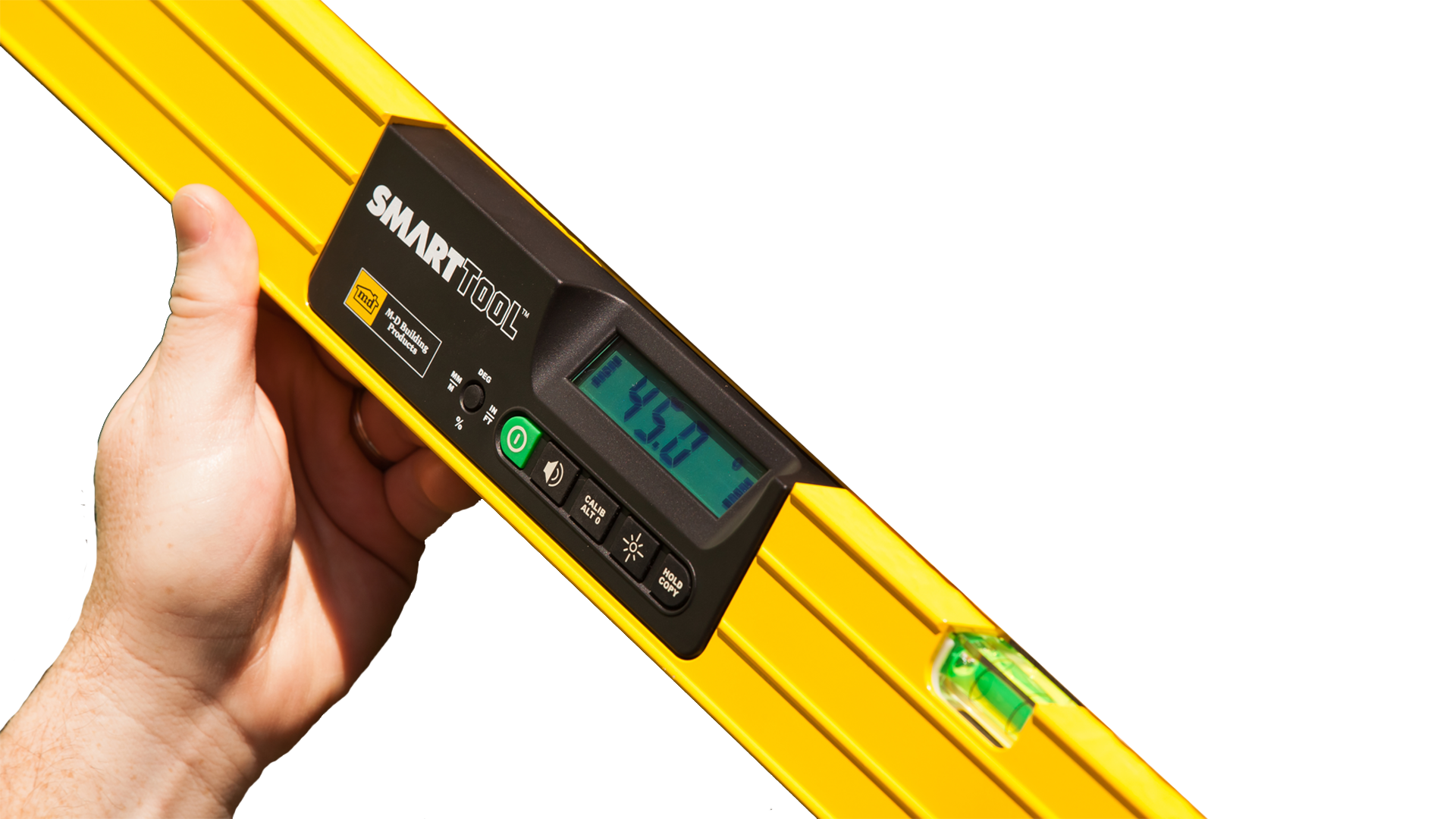
Level Tool

Professional Measuring Tools 24" Aluminum Box Level Spirit Level

4Pcs Hanging Bubble Line Level String levels Tools Set, Box
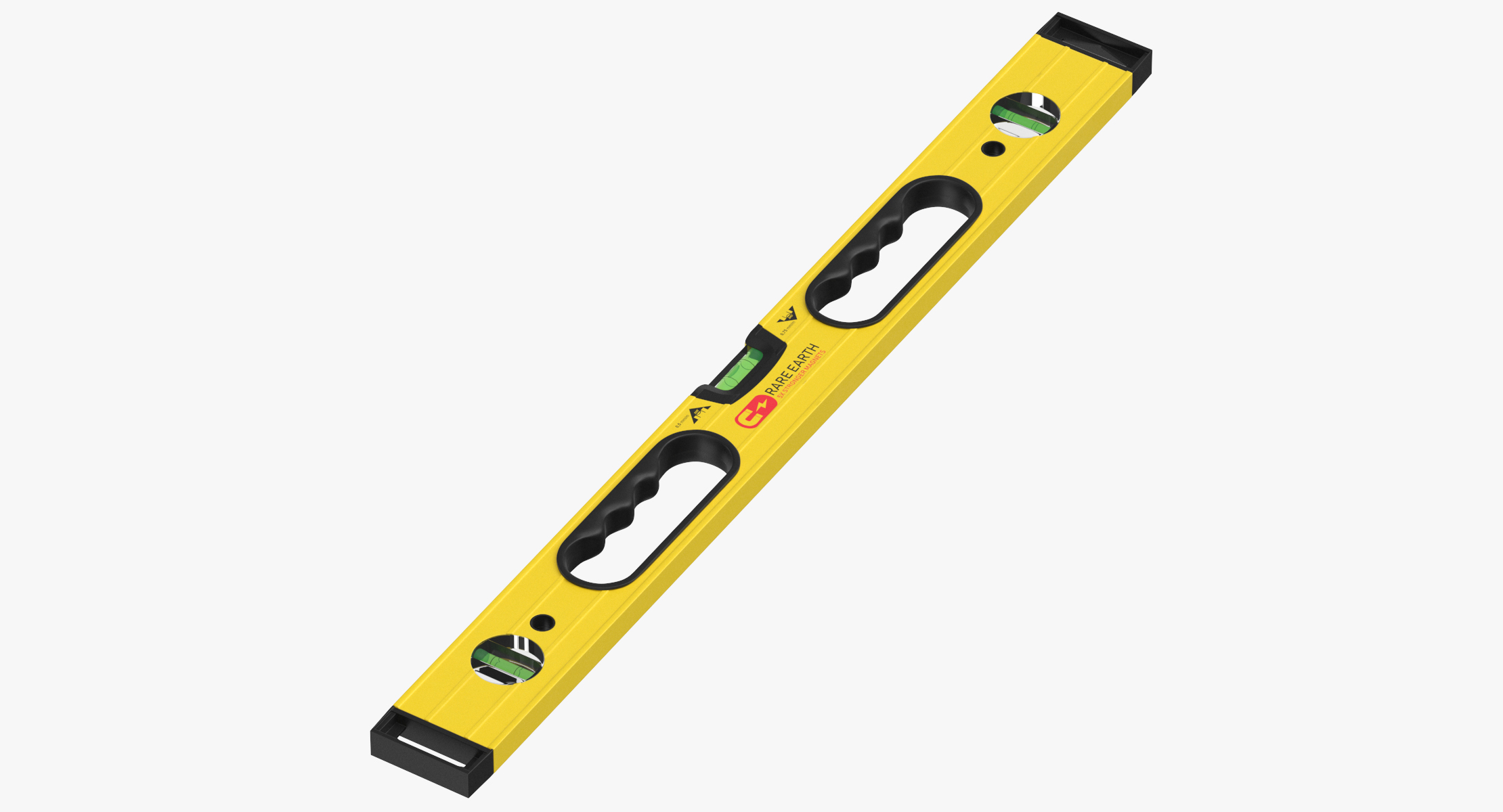
Level tool 3D TurboSquid 1392172
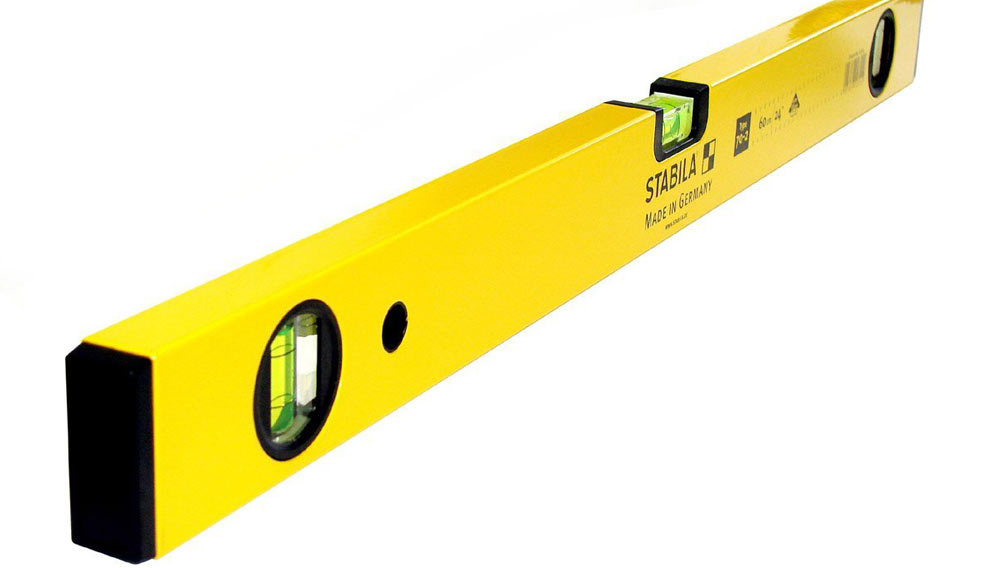
Level Tool

Workpro12 Inch Torpedo Level Small Leveler Tool Plumbing Level

Level Tool

Level Tool
Unindent Does Not Match Any Outer Indentation Level Import Sys Def Factorial(N):
This Is A Nice Solution If You Want To Slice And Drop For The Same Level.
If You Wanted To Slice On The Second Level (Say B) Then Drop That Level And Be Left With The First Level (A), The Following Would.
When I Compile The Python Code Below, I Get Indentationerror:
Related Post: