
Does Adding More Template Increase Pcr Efficiency
Does Adding More Template Increase Pcr Efficiency - For example, “i do like pizza” or. Get a quick, free translation! Both do and does are present tense forms of the verb do. Meaning, pronunciation, picture, example sentences, grammar, usage notes, synonyms and more. In this article, we’ll explain the difference. Do and does are two words that are often used interchangeably, but they have different meanings and uses. What’s the difference between do vs. Do and does can be used as main verbs in affirmative sentences (he does the dishes every day), or as auxiliary verbs in questions (where do you work?). He/she/it form of do 2. It's kind of like how you use 'is' with singular subjects and 'are'. It's kind of like how you use 'is' with singular subjects and 'are'. Both do and does are present tense forms of the verb do. We’ve put together a guide to help you use do, does, and did as action and auxiliary verbs in the simple past and present tenses. Do and does can be used as main verbs in affirmative sentences (he does the dishes every day), or as auxiliary verbs in questions (where do you work?). For example, “i do like pizza” or. Which is the correct form to use depends on the subject of your sentence. He/she/it form of do 2. Present simple of do, used with he/she/it. The main thing to remember is that 'do' is used with plural subjects, and 'does' is used with singular subjects. Get a quick, free translation! Meaning, pronunciation, picture, example sentences, grammar, usage notes, synonyms and more. Definition of does verb in oxford advanced learner's dictionary. Use “do” with the pronouns i, you, we, and they. Do and does are two words that are often used interchangeably, but they have different meanings and uses. For example, “i do like pizza” or. Meaning, pronunciation, picture, example sentences, grammar, usage notes, synonyms and more. He/she/it form of do 3. Definition of does verb in oxford advanced learner's dictionary. In this article, we’ll explain the difference. Which is the correct form to use depends on the subject of your sentence. He/she/it form of do 2. Use “do” with the pronouns i, you, we, and they. We’ve put together a guide to help you use do, does, and did as action and auxiliary verbs in the simple past and present tenses. It's kind of like how you use 'is' with singular subjects and 'are'. The main thing to remember is that. Both do and does are present tense forms of the verb do. Get a quick, free translation! Meaning, pronunciation, picture, example sentences, grammar, usage notes, synonyms and more. For example, “i do like pizza” or. It's kind of like how you use 'is' with singular subjects and 'are'. In this article, we’ll explain the difference. It's kind of like how you use 'is' with singular subjects and 'are'. Do and does are two words that are often used interchangeably, but they have different meanings and uses. We’ve put together a guide to help you use do, does, and did as action and auxiliary verbs in the simple past. In this article, we’ll explain the difference. Which is the correct form to use depends on the subject of your sentence. Do and does can be used as main verbs in affirmative sentences (he does the dishes every day), or as auxiliary verbs in questions (where do you work?). Meaning, pronunciation, picture, example sentences, grammar, usage notes, synonyms and more.. Meaning, pronunciation, picture, example sentences, grammar, usage notes, synonyms and more. Does in british english (dʌz ) verb (used with a singular noun or the pronouns he, she, or it) a form of the present tense (indicative mood) of do 1 Use “do” with the pronouns i, you, we, and they. In this article, we’ll explain the difference. He/she/it form. Present simple of do, used with he/she/it. Do and does can be used as main verbs in affirmative sentences (he does the dishes every day), or as auxiliary verbs in questions (where do you work?). The main thing to remember is that 'do' is used with plural subjects, and 'does' is used with singular subjects. Understanding when to use “do”. Both do and does are present tense forms of the verb do. Do and does are two words that are often used interchangeably, but they have different meanings and uses. In this article, we’ll explain the difference. Meaning, pronunciation, picture, example sentences, grammar, usage notes, synonyms and more. For example, “i do like pizza” or. Present simple of do, used with he/she/it. He/she/it form of do 2. Understanding when to use “do” and “does” is key for speaking and writing english correctly. We’ve put together a guide to help you use do, does, and did as action and auxiliary verbs in the simple past and present tenses. It's kind of like how you use 'is'. What’s the difference between do vs. For example, “i do like pizza” or. Present simple of do, used with he/she/it. We’ve put together a guide to help you use do, does, and did as action and auxiliary verbs in the simple past and present tenses. Both do and does are present tense forms of the verb do. In this article, we’ll explain the difference. He/she/it form of do 2. Definition of does verb in oxford advanced learner's dictionary. Get a quick, free translation! Do and does are two words that are often used interchangeably, but they have different meanings and uses. Which is the correct form to use depends on the subject of your sentence. It's kind of like how you use 'is' with singular subjects and 'are'. Meaning, pronunciation, picture, example sentences, grammar, usage notes, synonyms and more. Use “do” with the pronouns i, you, we, and they. He/she/it form of do 3.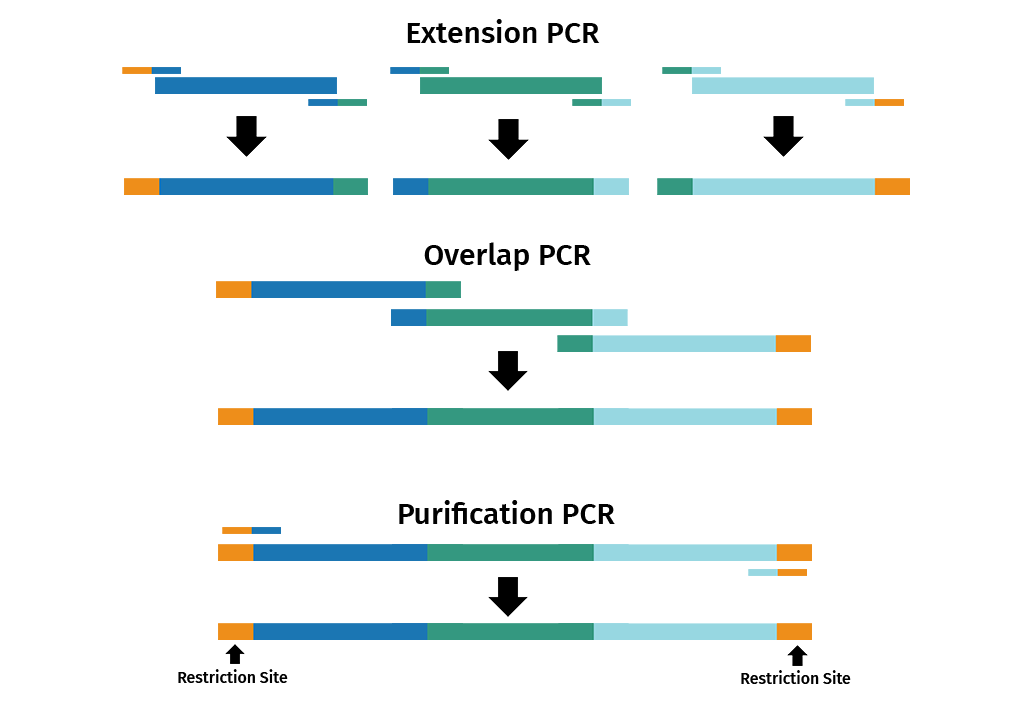
PCR Steps Involved In Polymerase Chain Reaction Video, 43 OFF
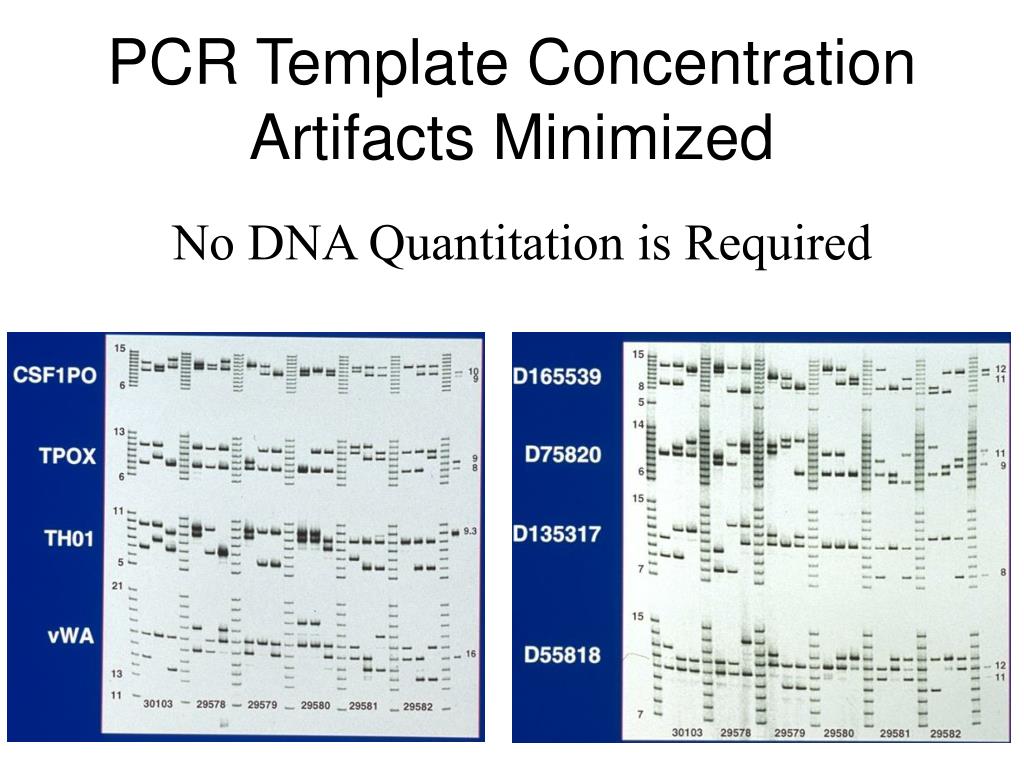
Pcr Template Concentration

PCR STEPS BioRender Science Templates

Pcr Template Concentration

Fluorescent DyeBased Real Time PCR BioRender Science Templates

Expand Long Template PCR

Long PCR efficiency Download Table

PCR efficiency of candidate reference genes Download Table
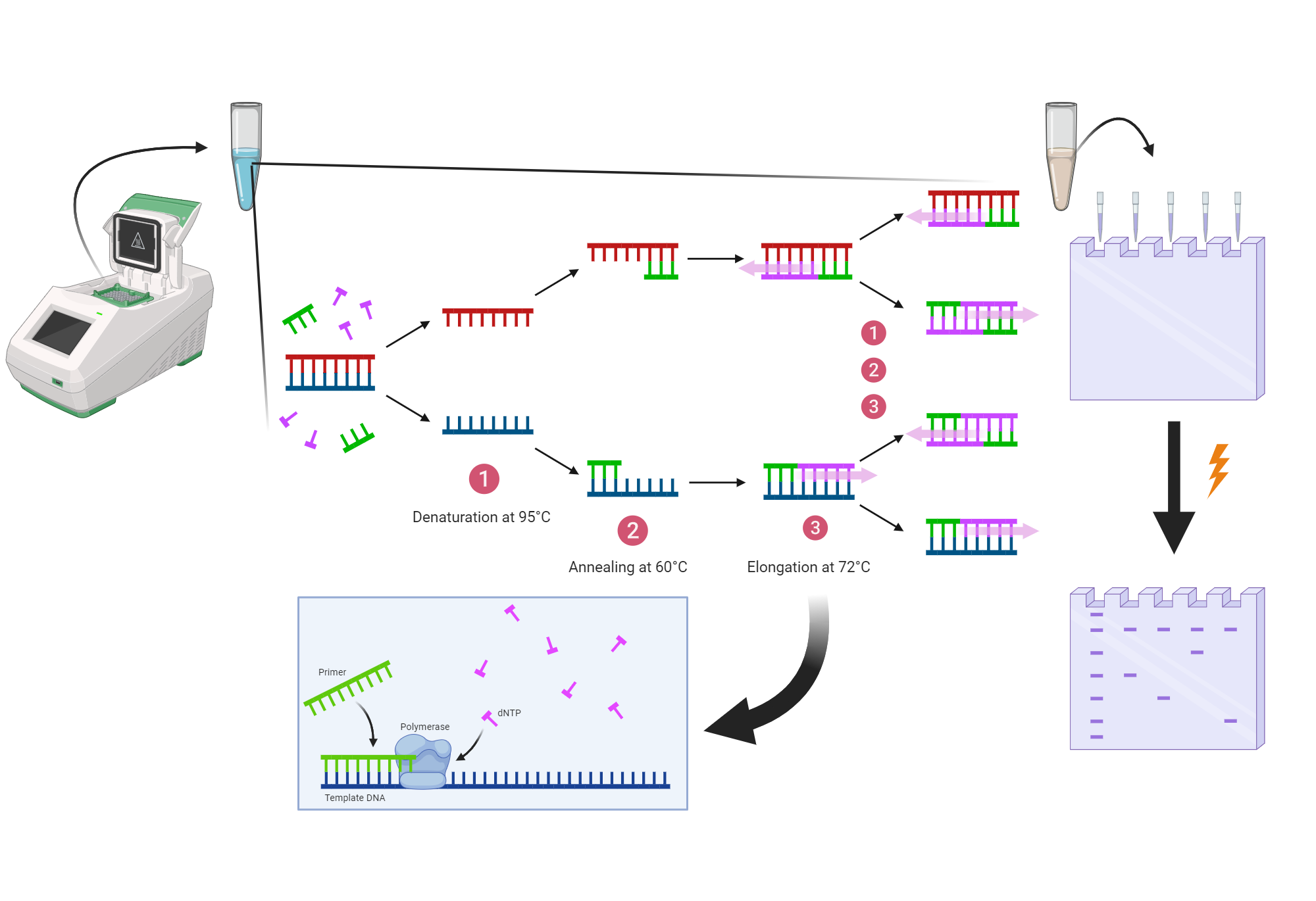
PCR BioRender Science Templates

PCR Extension BioRender Science Templates
The Main Thing To Remember Is That 'Do' Is Used With Plural Subjects, And 'Does' Is Used With Singular Subjects.
Do And Does Can Be Used As Main Verbs In Affirmative Sentences (He Does The Dishes Every Day), Or As Auxiliary Verbs In Questions (Where Do You Work?).
Understanding When To Use “Do” And “Does” Is Key For Speaking And Writing English Correctly.
Does In British English (Dʌz ) Verb (Used With A Singular Noun Or The Pronouns He, She, Or It) A Form Of The Present Tense (Indicative Mood) Of Do 1
Related Post: